Rare Disease Day and FOXG1 Syndrome: Why This Day Matters
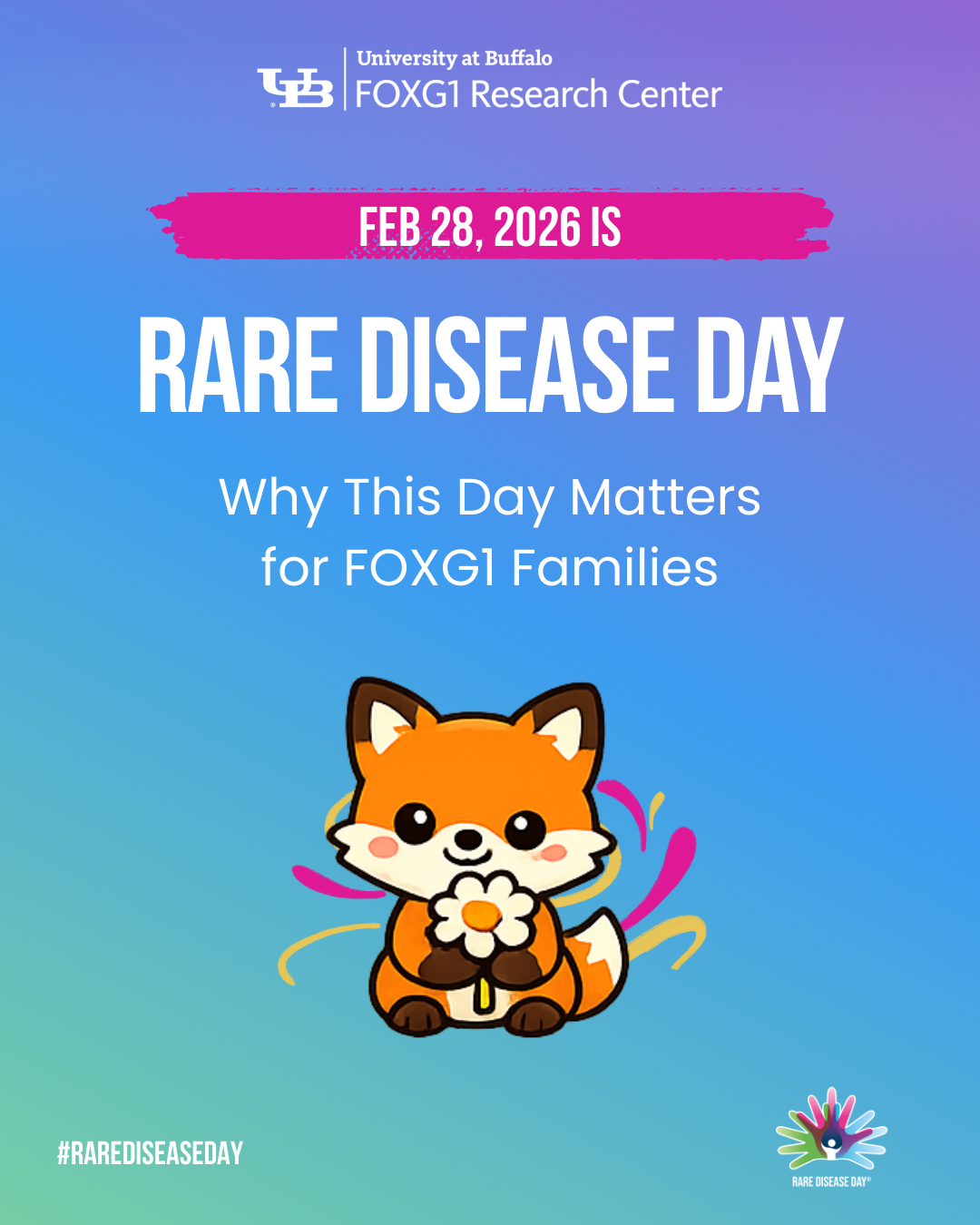
Rare Disease Day is patient-led, but it’s for everyone. Families, caregivers, researchers, clinicians, policymakers, industry leaders, and community members all play a role in raising awareness and driving change.
Every year on February 28, the global community comes together to observe Rare Disease Day - a movement dedicated to raising awareness and advocating for equity for the 300 million people worldwide living with a rare disease.
For families affected by FOXG1 syndrome, Rare Disease Day is more than a date on the calendar. It is a reminder that even though a condition may be rare, the need for understanding, research, and support is not.
What Is Rare Disease Day?
Rare Disease Day was established in 2008 and is coordinated by EURORDIS in partnership with more than 70 national patient alliance organizations. What began as events in just 18 countries has grown into a global movement now observed in over 100 countries.
The day is held on February 28 each year, or February 29 in leap years, the rarest day of the year.
While Rare Disease Day is patient-led, it is designed for everyone. Families, caregivers, researchers, clinicians, healthcare professionals, policymakers, industry leaders, and members of the public all play a role in raising awareness and advocating for change.
The long-term goal is clear: equitable access to diagnosis, treatment, healthcare, social support, and opportunity for people living with rare diseases.
Rare Diseases by the Numbers
Rare diseases collectively impact an estimated:
300 million people worldwide
3.5 to 5.9 percent of the global population
Over 6,000 distinct conditions
Approximately 72 percent of rare diseases are genetic. FOXG1 is a neurodevelopmental condition caused by a change in the FOXG1 gene.
Although each rare disease affects a relatively small number of individuals, together they represent a significant and often overlooked global health priority.
The Universal Challenges of Living with a Rare Disease
While each rare disease is unique, many families share common challenges.
Delayed or Difficult Diagnosis
A lack of scientific knowledge and limited awareness often leads to long diagnostic journeys. Many families experience months or years of uncertainty before receiving answers.
Symptoms can overlap with more common conditions. They can vary widely between different rare diseases. Even within the same condition, symptoms may differ from one individual to another. This complexity increases the risk of misdiagnosis and delayed care.
Barriers to Specialized Care
High-quality, specialized healthcare is often concentrated in limited geographic areas. Access may depend on location, insurance, or financial resources. This creates inequalities in treatment and long-term management.
For families navigating complex neurodevelopmental conditions like FOXG1 syndrome, coordinated and informed care is essential.
Limited Treatment Options
For many rare diseases, treatment options remain limited. Continued research is necessary to better understand underlying mechanisms and develop targeted therapies.
International collaboration between researchers and clinicians is critical. When experts share data, tools, and findings across borders, progress accelerates.
Why Rare Disease Day Matters for the FOXG1 Community
FOXG1 syndrome is a rare genetic neurodevelopmental condition. Like many rare disorders, it presents with diverse symptoms and requires specialized care. It also demands sustained research efforts to better understand how specific gene variants affect brain development and function.
Rare Disease Day provides a powerful opportunity to:
Increase awareness of FOXG1 syndrome
Highlight the importance of genetic research
Advocate for earlier diagnosis and equitable care
Connect families, researchers, and clinicians
Strengthen the global rare disease community
At the FOXG1 Research Center, our work reflects the broader goals of Rare Disease Day. We focus on mutation-specific research, cellular modeling, and collaborative scientific efforts designed to deepen understanding of FOXG1-related dysfunction.
Progress in rare disease research depends on international collaboration. By connecting laboratories, clinicians, and patient communities, we move closer to improving diagnosis, care strategies, and future therapeutic development.
Rare Disease as a Human Rights Priority
Rare Disease Day also emphasizes something deeply important: rare diseases are a matter of equity and human rights.
Advocacy efforts align with global initiatives promoting universal health coverage, ensuring that people living with rare diseases are not left behind in healthcare systems. Equitable access to diagnosis, appropriate care, education, and social opportunity is not optional. It is essential.
For families living with FOXG1 syndrome, these conversations are not abstract. They shape everyday realities - access to specialists, early intervention services, appropriate educational support, and long-term care planning.
How You Can Participate in Rare Disease Day
Rare Disease Day invites participation at every level.
You can:
Share educational posts on social media
Illuminate a building, monument, or home
Organize or attend a local awareness event
Speak with policymakers about rare disease priorities
Share lived experiences to increase visibility
Support rare disease research organizations
Even small actions help strengthen awareness and community connection.
You Are Not Alone
For families navigating FOXG1 syndrome, Rare Disease Day is a reminder that although your child’s diagnosis may be rare, your experience is part of a much larger global story.
Three hundred million people worldwide live with a rare disease. Across countries and cultures, families share similar journeys of uncertainty, advocacy, resilience, and hope.
At the FOXG1 Research Center, we observe Rare Disease Day not only to raise awareness, but to reaffirm our commitment to research, collaboration, and community.
Your voice matters.
Your child matters.
This community matters.
And together, through research and advocacy, we continue moving forward.

FOXG1 Research Center is dedicated to understanding and finding treatments for FOXG1 syndrome and other neurodevelopmental disorders.
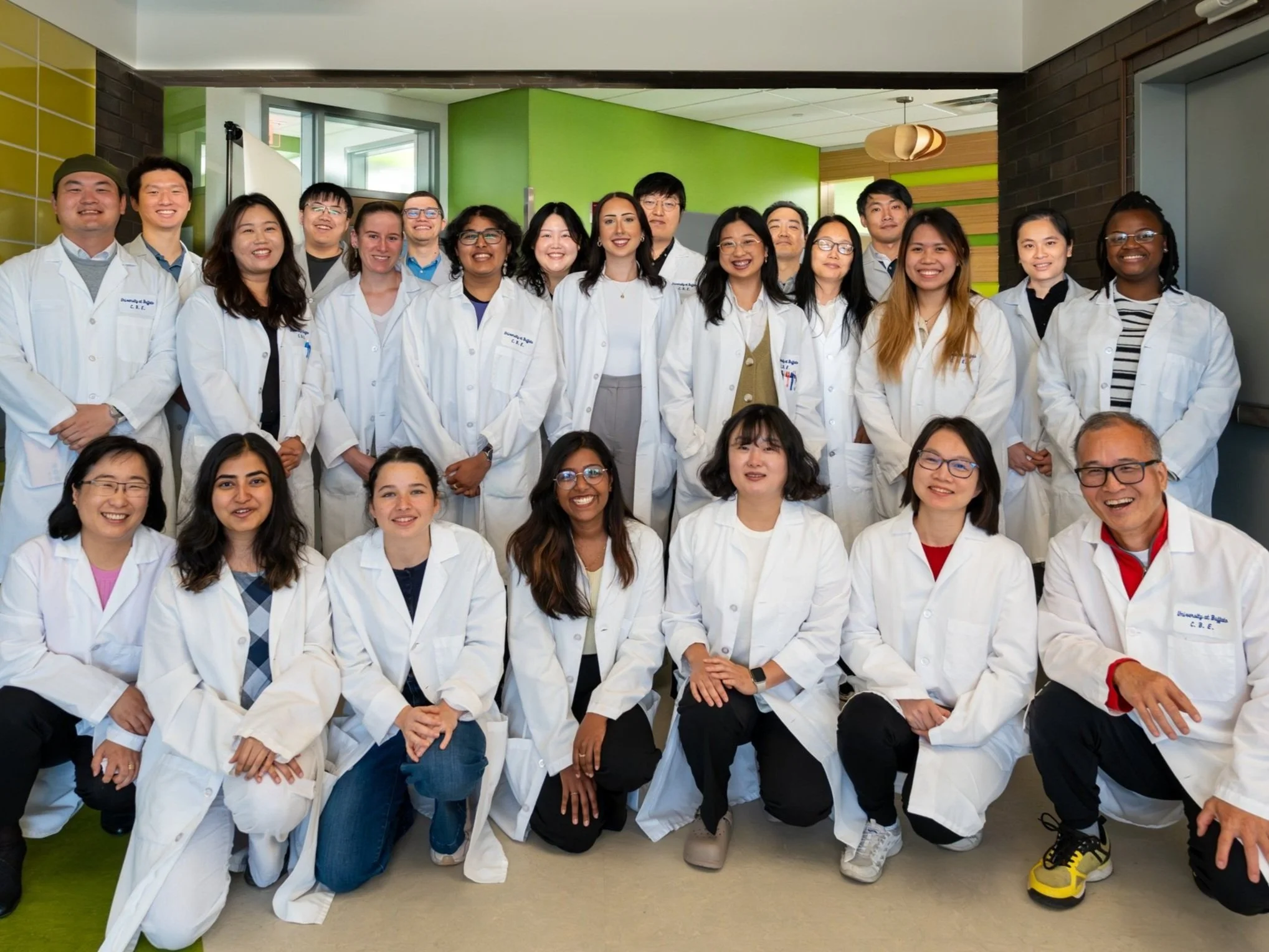
Our Team
Drs. Soo-Kyung Lee, PhD. and Jae W. Lee, PhD. are the principal investigators of FOXG1 Research Center. Our team is full of dedicated individuals with the common goal of studying FOXG1 Syndrome to find treatment options and further understand the condition.

Our Publications
To learn more details about our research, please refer to our publications.
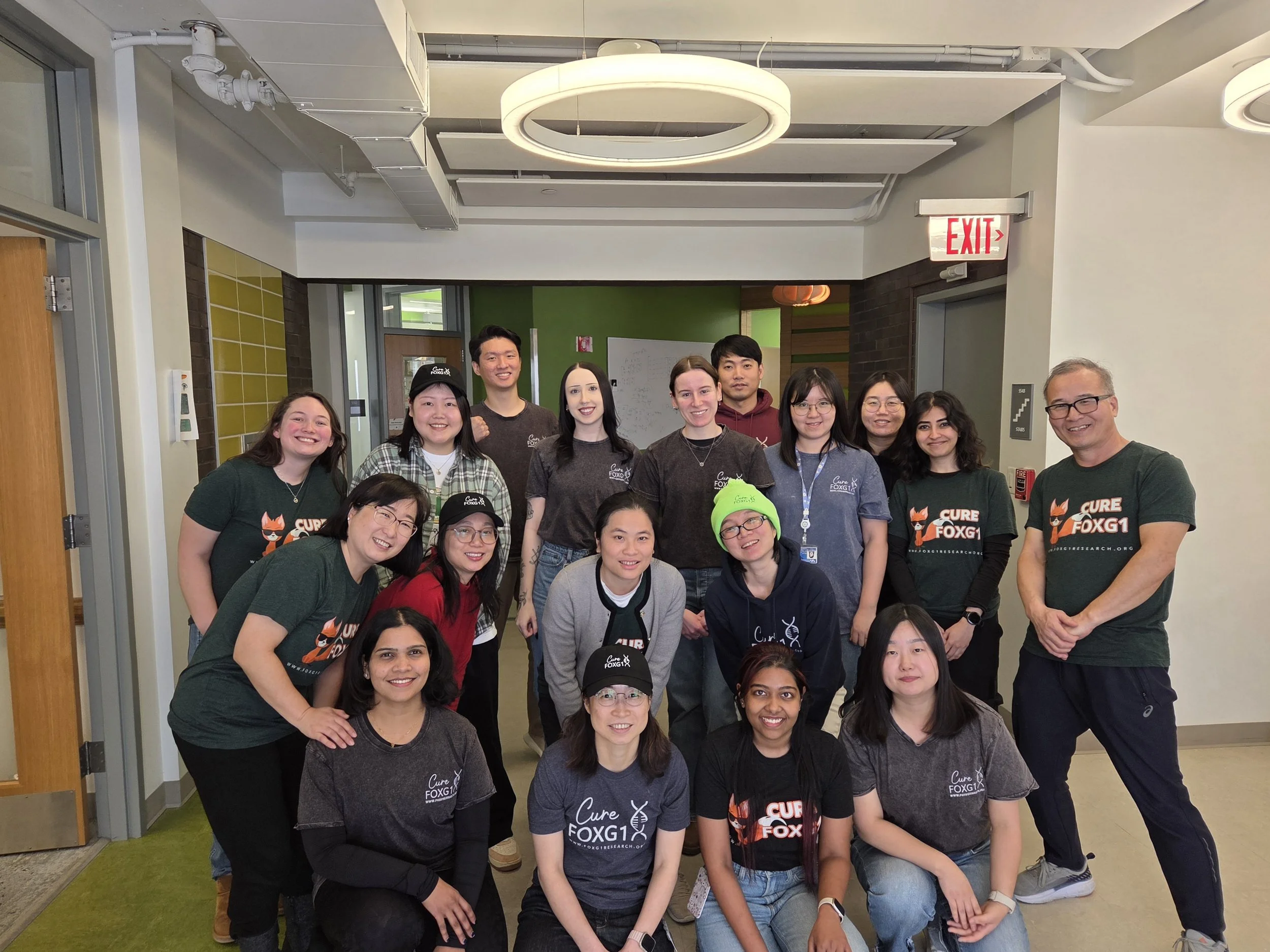
Media Coverage & Awards
The FOXG1 Research Center is honored to be recognized for its contributions to rare disease research, neuroscience, and the broader scientific community.