What Is FOXG1 Syndrome?

FOXG1 syndrome is a rare neurodevelopmental disorder that affects early brain development and lifelong outcomes.
FOXG1 syndrome is a rare neurodevelopmental disorder caused by a change (pathogenic variant) in the FOXG1 gene. FOXG1 is important for early brain development, especially the development of the forebrain and areas involved in cognition, movement, and sensory processing.
Because FOXG1 plays a role so early in development, changes in this gene can affect multiple systems and lead to a wide range of developmental and neurological features. Families often describe FOXG1 syndrome as complex, not because one symptom defines it, but because it can influence many areas of daily life.
This article shares a clear overview of FOXG1 syndrome, what it can look like, how it is diagnosed, and how care is typically supported.
What Does the FOXG1 Gene Do?
Genes provide instructions for how the body develops and functions. The FOXG1 gene is especially active during early brain development, when the brain is rapidly forming and organizing.
In simple terms, FOXG1 helps guide:
how certain brain regions develop
how brain cells grow and organize
how early brain structures form in ways that support later learning, movement, and communication
Because FOXG1 is involved in these foundational steps, changes in this gene can lead to differences in brain development that are visible in development, movement, and other neurologic features.
What Are Common Features of FOXG1 Syndrome?
FOXG1 syndrome can look different from person to person. That said, many individuals share core features related to development and neurologic function.
Some commonly reported features include:
Development and communication
significant global developmental delay
intellectual disability
limited speech development for many individuals
differences in motor skills, including delays with sitting, walking, or hand use
Muscle tone and movement
low muscle tone (hypotonia), especially in infancy
movement differences that may include involuntary or dysregulated movement patterns
spasticity in some individuals
Seizures
epilepsy is common, and seizure types can vary
seizure onset and seizure patterns are different from person to person, and care is individualized with an experienced neurologist
Feeding and gastrointestinal concerns
feeding difficulties and poor weight gain are common
gastroesophageal reflux may occur
aspiration risk can be a concern for some individuals, which is why feeding teams and swallow evaluations can be important
Sleep and behavior
sleep challenges are common
episodes of irritability, unexplained crying, restlessness, or bruxism may occur
Vision and musculoskeletal concerns
strabismus may occur
cortical visual impairment may occur in some individuals
scoliosis or kyphosis may occur
Brain imaging findings
Some individuals have characteristic MRI findings, which can include differences in the corpus callosum and patterns of brain development. Imaging findings are not identical for every person, but they can help clinicians recognize FOXG1 syndrome as a possibility during evaluation.
How Is FOXG1 Syndrome Diagnosed?
A FOXG1 syndrome diagnosis is established when:
a person has clinical features and/or characteristic neuroimaging findings consistent with FOXG1 syndrome, and
genetic testing identifies a heterozygous pathogenic (or likely pathogenic) variant in FOXG1
Doctors may consider FOXG1 syndrome in individuals who have a combination of features such as:
significant global developmental delay beginning in early infancy
limited or absent speech development
differences in muscle tone, including hypotonia in infancy and possible later spasticity
hyperkinetic or dyskinetic movement patterns
epilepsy
feeding difficulties or poor growth
In many cases, diagnosis occurs in early childhood, often between infancy and five years of age. However, timing can vary depending on when developmental differences are first recognized and when genetic testing is pursued.
Today, diagnosis often comes through:
exome sequencing, or
a multigene panel for developmental delay or intellectual disability that includes FOXG
Genetic testing is an important step because it can:
confirm the diagnosis
support clinical decision making
help guide genetic counseling for the family
What Does Care and Support Typically Look Like?
There is currently no cure for FOXG1 syndrome. Care is typically supportive and focuses on improving quality of life, maximizing function, and addressing symptoms as they arise.
At the same time, research is ongoing. At the FOXG1 Research Center and in collaboration with partners worldwide, scientists are working to better understand the biology of FOXG1 and explore potential therapeutic strategies for the future. While supportive care remains essential today, research continues to move the field forward.
Support often involves a multidisciplinary team, which may include:
neurology (including seizure management)
physical therapy and occupational therapy
speech therapy and feeding therapy
gastroenterology and nutrition support
ophthalmology for vision and eye alignment concerns
orthopedics and rehabilitation for tone, mobility, and scoliosis
social work and family support resources
Because FOXG1 syndrome can involve multiple systems, ongoing monitoring is common. Families often work with clinicians to track things like development, feeding safety, seizure activity, movement patterns, growth, sleep, and equipment needs over time.
Is FOXG1 Syndrome Inherited?
FOXG1 syndrome is typically described as autosomal dominant, and in most cases it occurs due to a de novo genetic change, meaning it happened for the first time in the individual and was not inherited from a parent.
That said, genetic counseling is often recommended because:
recurrence risk is usually low, but
there is a small possibility of parental germline mosaicism, which can affect recurrence risk in future pregnancies
A genetics team can help families understand what their results mean and what testing options exist.
What Is the Long-Term Outlook?
Long-term data is still limited, but FOXG1 syndrome is often described as a stable encephalopathy, meaning it is not generally considered progressive or neurodegenerative based on what is currently known.
Individuals with FOXG1 syndrome can live into adulthood, and ongoing research and improved recognition are helping the community better understand long-term needs across the lifespan.
Why Ongoing FOXG1 Research Matters
Researchers continue working to better understand:
how FOXG1 functions in brain development
how different types of FOXG1 variants may influence features and severity
which biological pathways are involved
how that knowledge could inform future therapeutic strategies
At the FOXG1 Research Center, our goal is to expand what is known about FOXG1 biology and support progress through rigorous, collaborative science. We also aim to share accessible education and resources that help families and supporters understand FOXG1 syndrome more clearly.
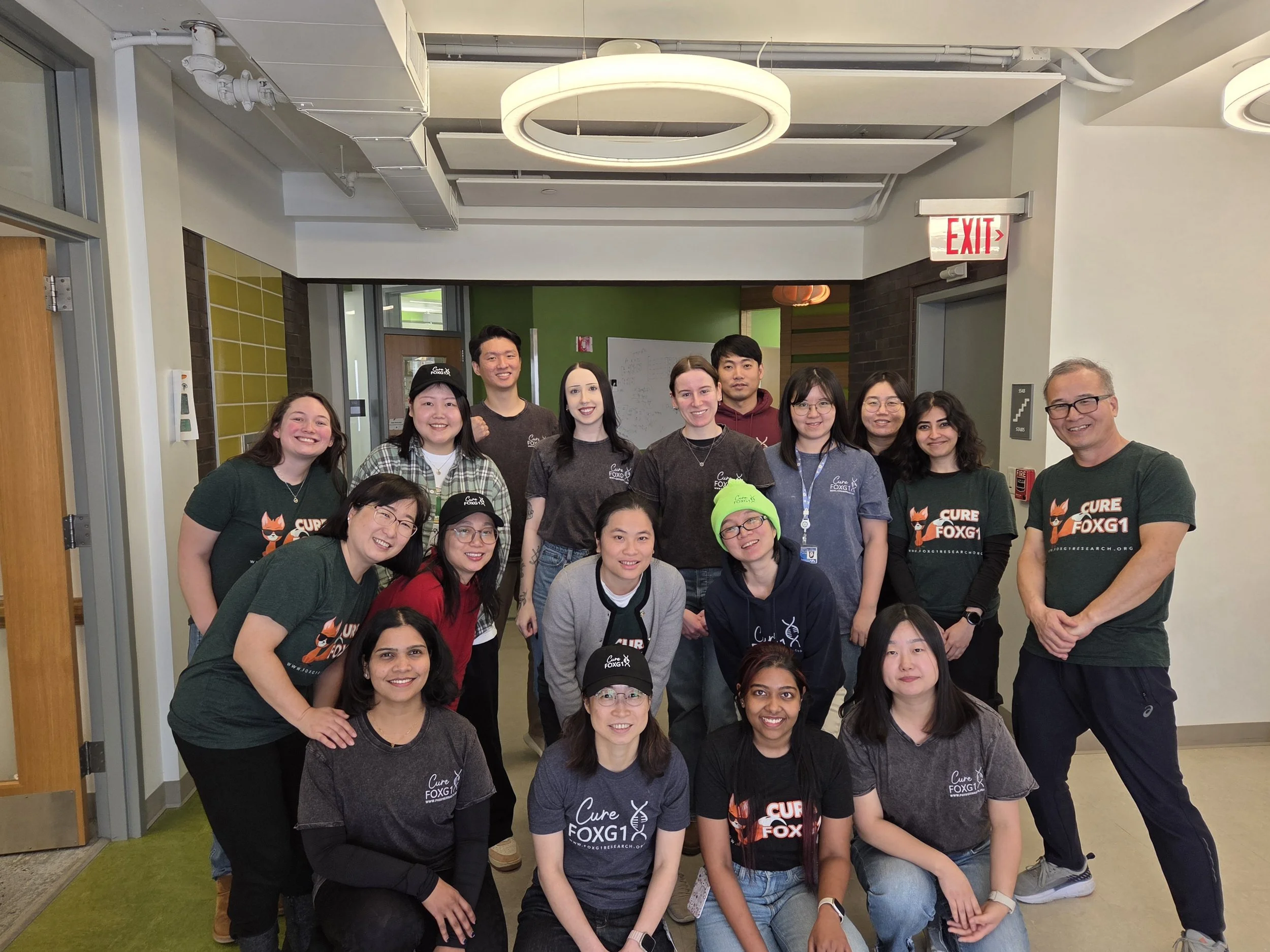
At the FOXG1 Research center, our goal is to better understand FOXG1 Syndrome and search for a cure.

FOXG1 Research Center is dedicated to understanding and finding treatments for FOXG1 syndrome and other neurodevelopmental disorders.
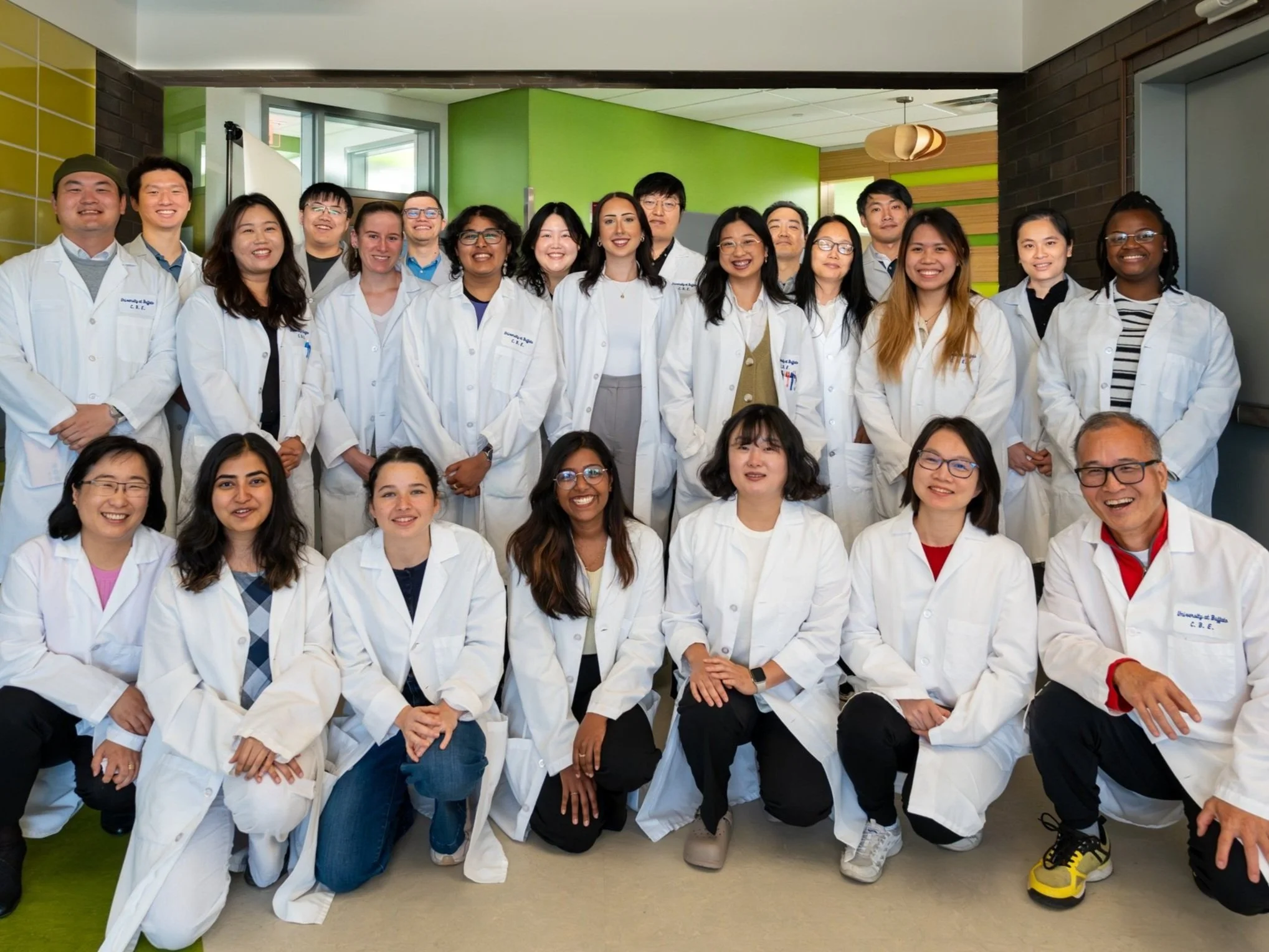
Our Team
Drs. Soo-Kyung Lee, PhD. and Jae W. Lee, PhD. are the principal investigators of FOXG1 Research Center. Our team is full of dedicated individuals with the common goal of studying FOXG1 Syndrome to find treatment options and further understand the condition.

Our Publications
To learn more details about our research, please refer to our publications.