10 Things People Don’t Realize About Raising a Child With a Rare Disease

Raising a child with a rare disease changes your life in ways most people never see.
Behind the appointments, therapies, medications, and medical terminology are countless invisible moments that families navigate every single day. While every rare disease journey is unique, many families share experiences that often go unnoticed by the outside world.
From learning how to advocate in unfamiliar systems to celebrating milestones others may overlook, rare disease parenting is layered, emotional, exhausting, beautiful, and deeply human all at once.
Here are 10 things people may not realize about raising a child with a rare disease.
1. Parents Become Medical Experts Overnight
Most parents never expect to learn medical terminology, understand genetic reports, coordinate specialists, or navigate insurance appeals.
But for many rare disease families, that becomes everyday life.
Parents often find themselves researching treatments late at night, tracking symptoms, organizing medical records, and learning how to advocate for their child in complex healthcare systems. Over time, they become experts not because they wanted to, but because they had to.
2. Every Milestone Feels Meaningful
Many parents naturally celebrate milestones like first words, first steps, or learning to ride a bike.
For rare disease families, milestones can look different, but they are no less important!
A new sound. Holding eye contact. Tolerating a therapy session. Sleeping through the night. Reaching for a toy. Sitting independently for a few extra seconds.
Moments that may seem small to others can represent months or years of hard work, perseverance, and hope.
3. Scheduling Becomes a Full-Time Job
Rare disease parenting often involves a constant rotation of appointments, therapies, school meetings, specialists, paperwork, pharmacy calls, and insurance coordination.
Families may spend hours each week managing schedules alone.
Many parents become not only caregivers, but also coordinators, advocates, case managers, therapists, and medical organizers all at the same time.
4. Rare Disease Parenting Can Feel Isolating
By definition, rare diseases affect a small number of people. That means many families may go long periods without meeting someone who truly understands their daily reality.
Friends and relatives may care deeply, but still struggle to fully grasp the emotional and logistical weight that rare disease families carry.
This isolation is one reason why rare disease communities often become such an important source of support and connection.
5. Families Learn How to Advocate Constantly
Advocacy becomes part of everyday life.
Parents often advocate for therapies, educational accommodations, medical equipment, insurance coverage, accessibility, and awareness. Many become strong voices not only for their own child, but for the broader rare disease community as well.
Over time, families learn how powerful their voices can be.
6. Joy and Grief Can Exist at the Same Time
One of the most complex parts of rare disease parenting is learning to hold multiple emotions at once.
There can be joy in a beautiful moment while also grieving the challenges a child faces. There can be pride in progress while still feeling uncertainty about the future.
These emotions do not cancel each other out. They often exist side by side.
7. Siblings Are Part of the Journey Too
Rare disease impacts entire families, including siblings.
Siblings often grow up with extraordinary empathy, patience, and understanding. They may attend therapy appointments, help celebrate milestones, and adapt to routines that look different from those of other families.
At the same time, parents often work hard to balance everyone’s needs while creating moments of normalcy, connection, and fun for the entire family.
8. Progress Is Not Always Linear
There are good days, difficult days, breakthroughs, setbacks, and periods of uncertainty.
Progress may happen slowly or unexpectedly. Some weeks feel encouraging, while others feel overwhelming.
Rare disease families learn to adapt constantly and celebrate progress in all forms, even when the path forward is unpredictable.
9. Community Becomes Incredibly Important
For many families, finding another parent who truly understands can be life-changing.
Rare disease communities create spaces where families can ask questions, share experiences, celebrate victories, and support one another through difficult moments.
Research centers, advocacy organizations, support groups, clinicians, researchers, and families all play an important role in helping these communities feel less alone.
10. Rare Disease Families Are Still Families
While medical care may be a large part of life, it is not the whole story.
Rare disease families still laugh together, celebrate birthdays, watch favorite movies, travel, create traditions, and experience joyful everyday moments.
There is still childhood. There is still love. There is still connection, personality, humor, and happiness woven throughout daily life.
Behind every diagnosis is a child who is deeply loved and a family doing their very best each day.
Final Thoughts
Rare disease parenting is often filled with challenges that many people never see, but it is also filled with resilience, advocacy, love, and community.
At the FOXG1 Research Center, we are continually inspired by the families who share their experiences, support one another, and help move research and awareness forward every day.
While every journey looks different, no family should ever feel alone in it.

FOXG1 Research Center is dedicated to understanding and finding treatments for FOXG1 syndrome and other neurodevelopmental disorders.
Our Team
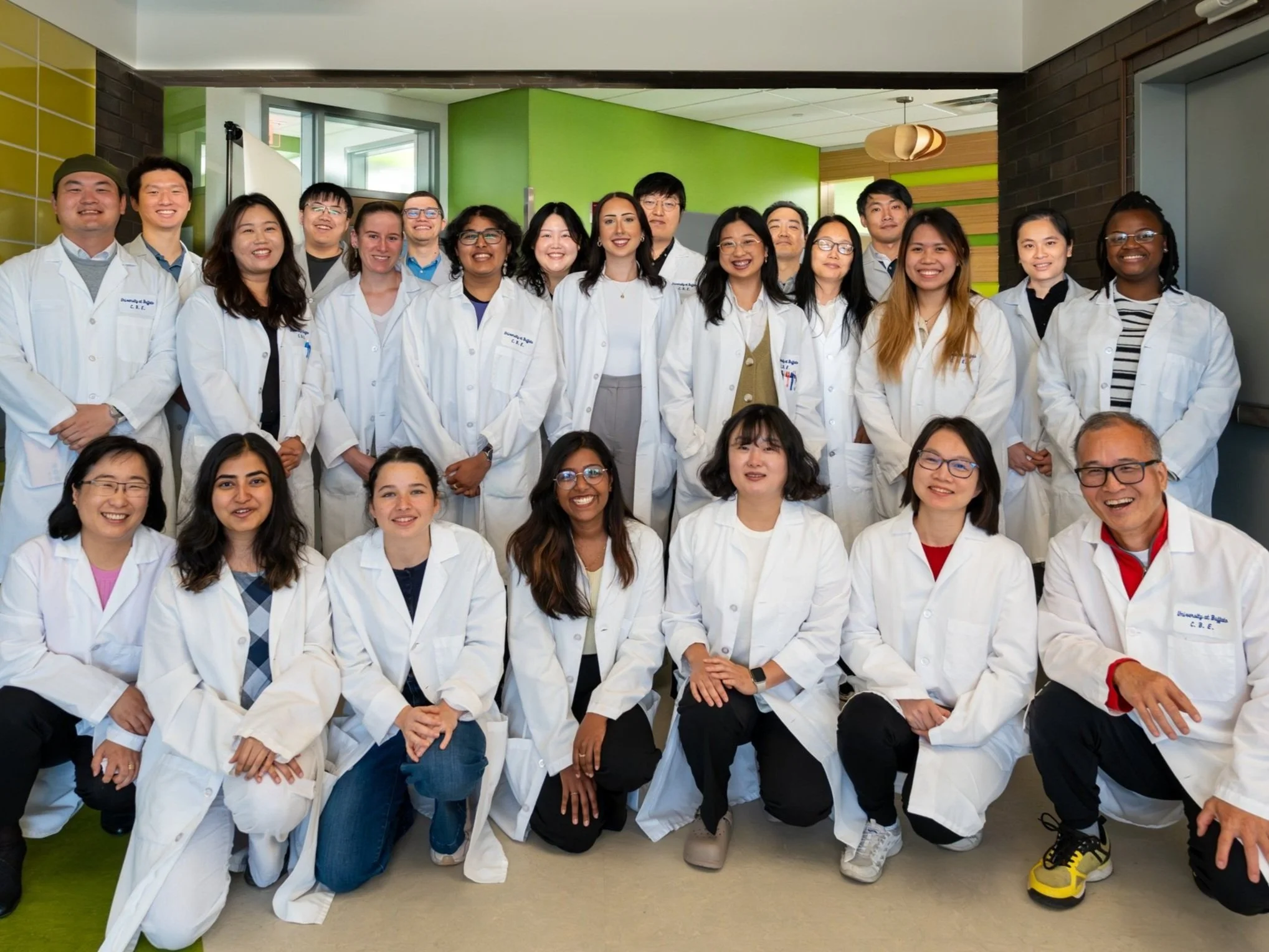
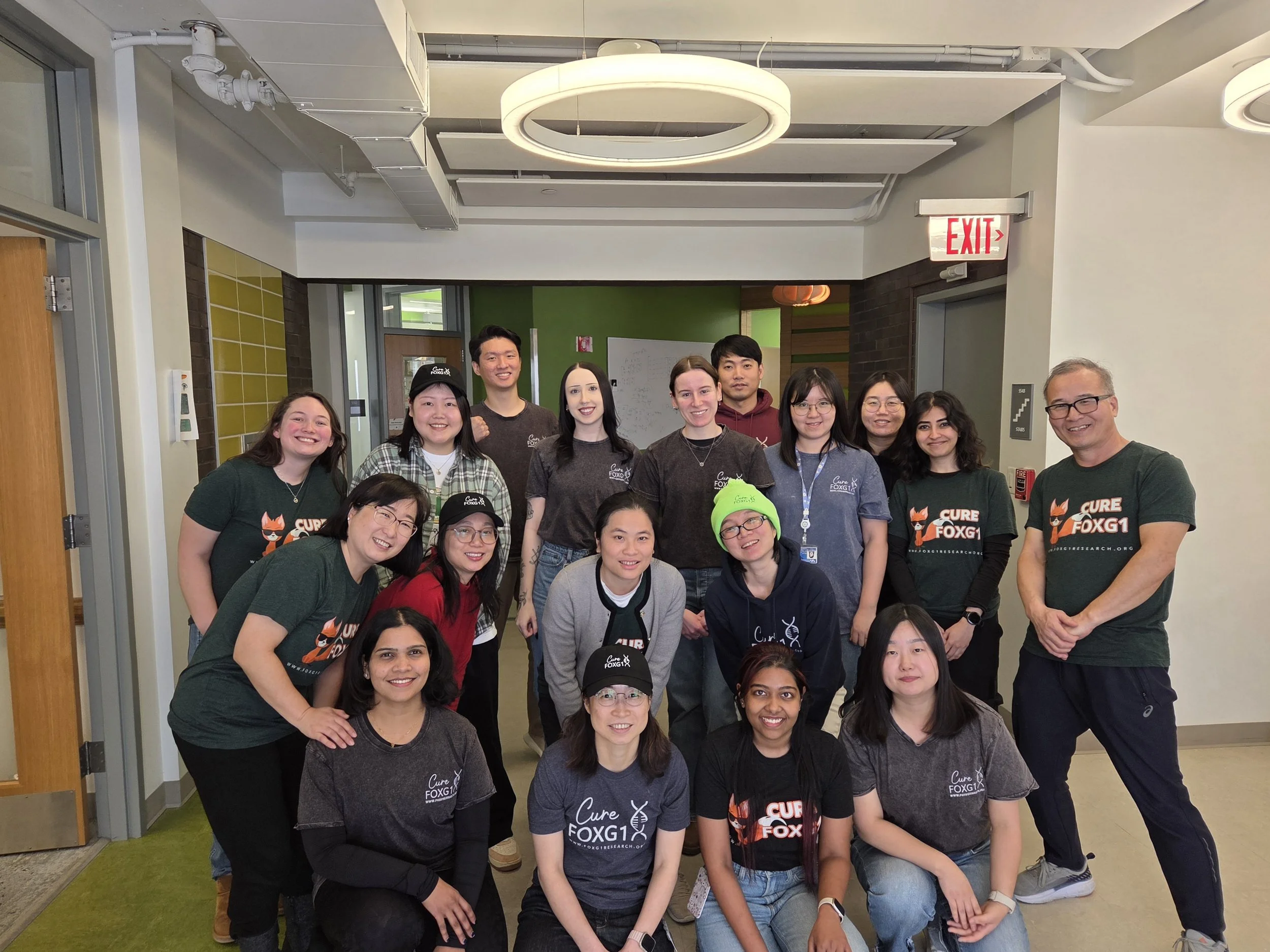
Drs. Soo-Kyung Lee, PhD. and Jae W. Lee, PhD. are the principal investigators of FOXG1 Research Center. Our team is full of dedicated individuals with the common goal of studying FOXG1 Syndrome to find treatment options and further understand the condition.

Our Publications
To learn more details about our research, please refer to our publications.
Media Coverage & Awards
The FOXG1 Research Center is honored to be recognized for its contributions to rare disease research, neuroscience, and the broader scientific community.