Meet Hanchen Jiang - Researching Respiratory Function and FOXG1 Syndrome at the FOXG1 Research Center
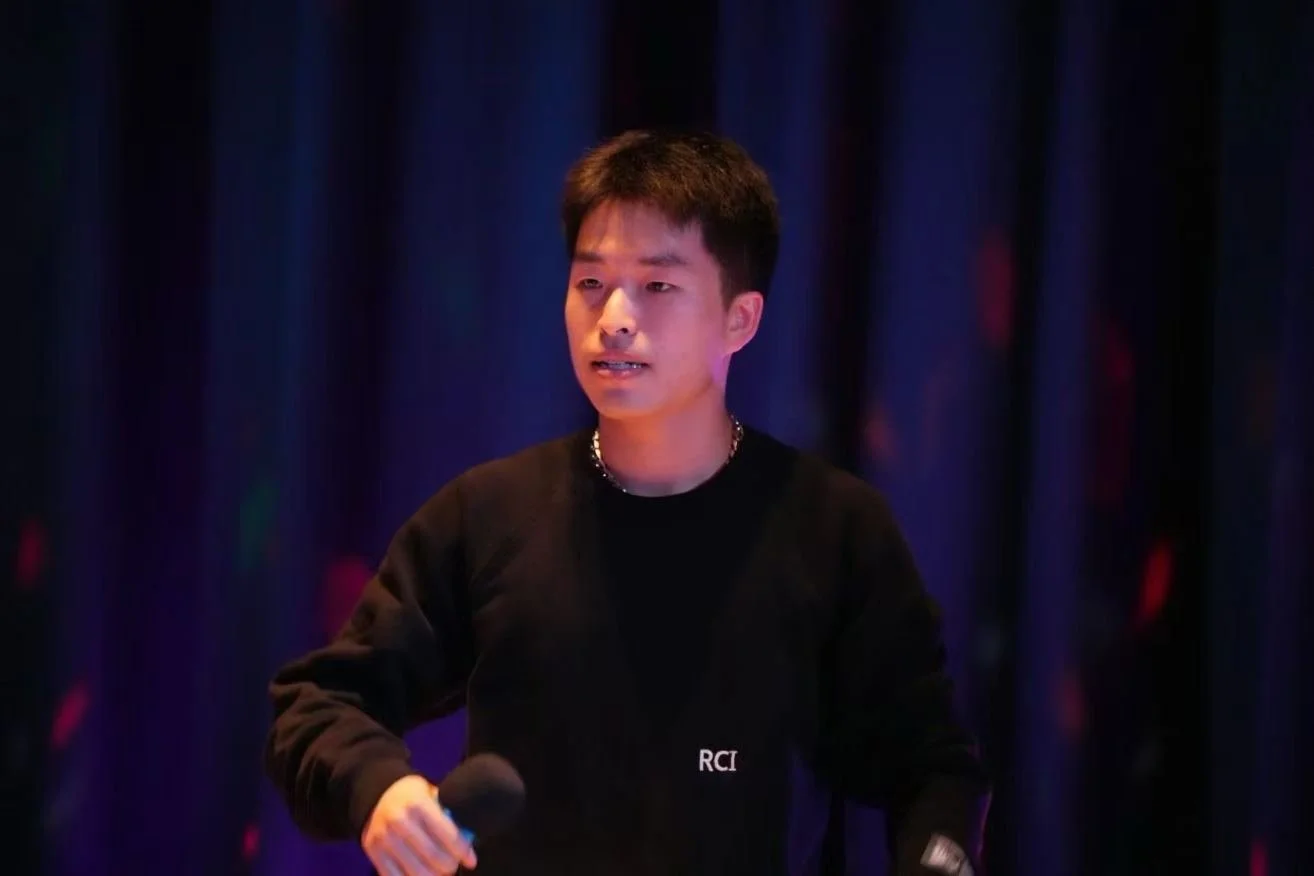
Hanchen Jiang, a graduate student in the FOXG1 Research Center, is shown above performing an original song in the Student Union at the University at Buffalo. Outside of the lab, Hanchen turns to music as a creative outlet and a way to unwind after long days of research and study.
For many researchers, science begins with curiosity. For others, it begins with a desire to help people facing challenges medicine still cannot fully solve.
At the FOXG1 Research Center, Hanchen Jiang is helping study how FOXG1 syndrome impacts respiratory function, with the goal of better understanding breathing irregularities and supporting future therapeutic approaches that could improve daily life for patients and caregivers alike.
Originally from Fujian, China, Hanchen moved to the United States at 13 years old and later attended the University at Buffalo, where he studied Biological Sciences. Today, he is part of the FOXG1 Research Center team, contributing to research focused on understanding how FOXG1 mutations affect the brain and body.
While working in clinical settings early in his academic journey, he became increasingly interested in the limitations of current treatments and the need for deeper scientific understanding behind patient outcomes.
“Working in a clinical setting, you see the direct impact of medicine, but it also exposes the limitations of our current treatments,” Hanchen shared. “By working in research, you begin understanding the why behind clinical outcomes and uncovering cellular mechanisms that can eventually be translated back into better patient care.”
Discovering the FOXG1 Research Center
Hanchen’s introduction to the FOXG1 Research Center happened during a poster session at a University at Buffalo program orientation, where he first met Dr. Soo-Kyung Lee.
“I was immediately captivated by how clearly the neuroscientific data was presented and how structured the lab’s therapeutic goals were,” he said. “What truly drove me to reach out, though, was her genuine passion for patient care. It made me realize this was a research environment I wanted to be a part of.”
That patient-centered approach continues to shape the work happening throughout the lab today.
Although he jokes that he may never fully adjust to Buffalo winters after growing up in Southern China and later near New York City, he appreciates the quieter pace of life here and the strong sense of focus and community within the research environment.
Studying Breathing and FOXG1 Syndrome
Currently, Hanchen is working on a project involving Whole-Body Plethysmography (WBP), a non-invasive tool researchers can use to study breathing patterns and respiratory function.
Some individuals with FOXG1 syndrome experience breathing irregularities and sleep-related respiratory challenges. Through WBP, researchers can measure breathing frequency and volume in preclinical models without causing unnecessary stress to the subjects.
The goal is to better understand how FOXG1 mutations may impact respiratory control centers in the brainstem and evaluate whether targeted therapies could help preserve breathing function.
“For many children, caregivers witness periods where their child stops breathing for extended amounts of time,” Hanchen explained. “By mapping and understanding these respiratory anomalies, we hope to provide more precise targets for therapeutic intervention.”
Ultimately, this work could help researchers better understand how to stabilize critical neurological pathways involved in breathing regulation and improve quality of life for both patients and caregivers.
Building Research One Step at a Time
As someone still in the early stages of his project, much of Hanchen’s daily work currently involves training, learning new techniques, and building technical skills.
A typical day may involve working alongside senior lab members at the bench, optimizing protocols, learning imaging analysis techniques, or practicing highly detail-oriented laboratory methods.
“It’s a steep learning curve,” he said. “But it’s rewarding because every day is about building the exact technical foundation I need to get the project going.”
One lesson he says has shaped his perspective most is learning how to approach challenges without becoming discouraged.
“The most important lesson I’ve learned is that when faced with seemingly unachievable goals, the key is to initiate action immediately and refine the process along the way.”
That mindset is especially important in research, where setbacks and failed experiments are simply part of the process.
“In research, setbacks like unexpected data or protocol failures are inevitable,” Hanchen explained. “What keeps me motivated is shifting my mindset from frustration to curiosity. Every negative result is actually a piece of data that narrows down the truth.”
Why Multi-Disciplinary Research Matters
One of the things Hanchen wishes more people understood about rare disease research is how interconnected different scientific fields truly are.
“People look at FOXG1 syndrome and think it’s strictly a genetic or neuroscience problem,” he said. “But solving a rare disease requires molecular biology, neuroimaging, metabolic biochemistry, physiological tools, and so much more working together.”
At the FOXG1 Research Center, researchers across multiple disciplines collaborate to better understand how FOXG1 mutations impact the body at many different levels, from brain structure and cellular function to breathing patterns and neurological development.
Hanchen believes one of the most promising aspects of current FOXG1 research is the growing understanding of how different mutation variants may lead to different clinical presentations.
“As we discover how those genetic variations translate phenotypically, we gain a much better understanding of how to treat patients,” he explained.
Looking ahead, he hopes researchers will continue building a more complete picture of FOXG1 syndrome by integrating multiple forms of data together, including genetics, imaging, and physiological measurements.
A Supportive Lab Environment
While much of research can feel highly technical, Hanchen says some of the most memorable moments in the lab have actually come from the learning process itself.
One moment that stands out involved learning how to pipette for PCR assays early on in training.
“I lost count of how many times I messed up the layout or volumes,” he laughed. “But my mentor, Meagan, kept patiently encouraging me through it.”
Experiences like that helped reinforce an important lesson: precision takes practice, and mistakes are part of growth.
“Having that kind of supportive mentorship made a huge difference in my confidence,” he said.
Outside the Lab
When he’s not in the lab, Hanchen enjoys writing and sharing his own music online. He also stays active through badminton and regular gym workouts, which help him recharge from the mental demands of graduate research.
Looking Toward the Future
When asked what he hopes most for the future of FOXG1 research, Hanchen’s answer centered around urgency and accessibility for families currently navigating the condition.
“My primary hope is that we can establish a robust toolkit of accessible, non-genetic therapies that can be deployed immediately upon diagnosis,” he said. “While gene editing holds incredible long-term promise, patients and caregivers dealing with severe seizures, sleep disorders, and prolonged apneas need interventions today.”
For Hanchen, the work happening inside the FOXG1 Research Center is about much more than data or experiments. It is about building knowledge that could one day directly improve the lives of families around the world.
“It feels incredibly fulfilling,” he shared. “Knowing that the experiments I am conducting could contribute to actionable treatments for these children and bring relief to their families completely changes how I view my responsibilities.”
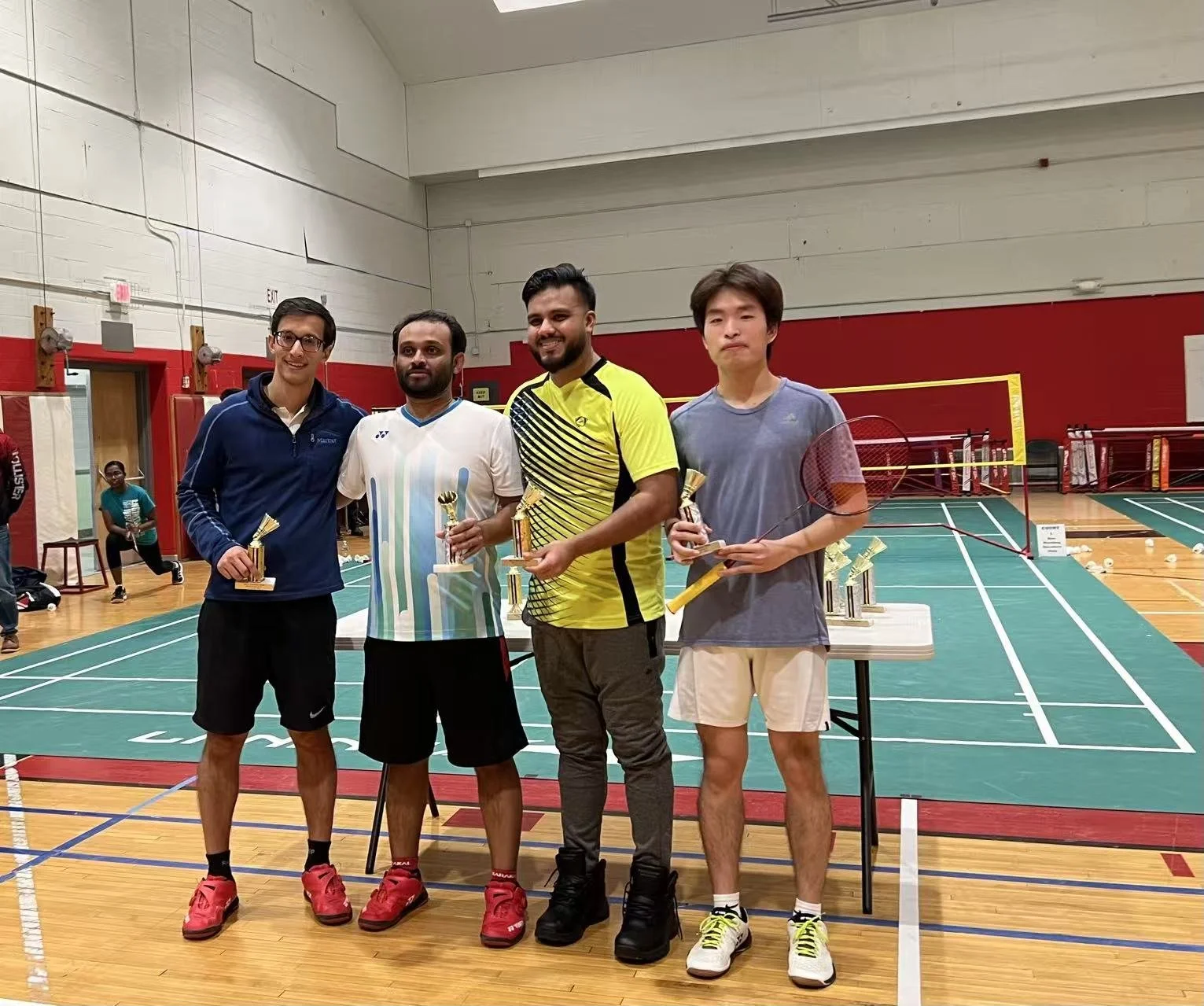
Hanchen enjoying some time away from his research at a local badminton competition at Rally Badminton at ECC.

FOXG1 Research Center is dedicated to understanding and finding treatments for FOXG1 syndrome and other neurodevelopmental disorders.
Our Team
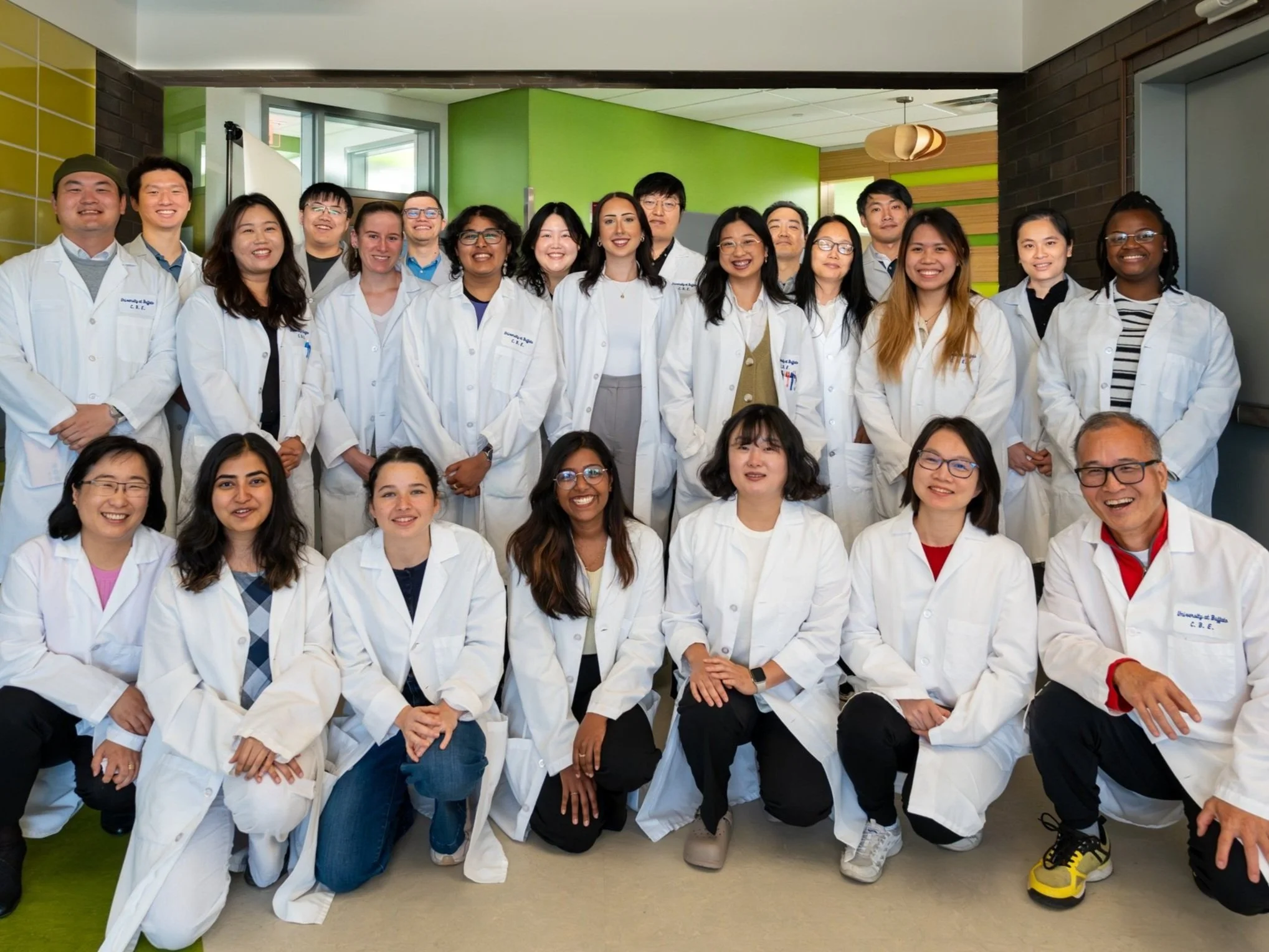
Drs. Soo-Kyung Lee, PhD. and Jae W. Lee, PhD. are the principal investigators of FOXG1 Research Center. Our team is full of dedicated individuals with the common goal of studying FOXG1 Syndrome to find treatment options and further understand the condition.

Our Publications
To learn more details about our research, please refer to our publications.
Media Coverage & Awards
The FOXG1 Research Center is honored to be recognized for its contributions to rare disease research, neuroscience, and the broader scientific community.