James Oh’s Journey in FOXG1 Research
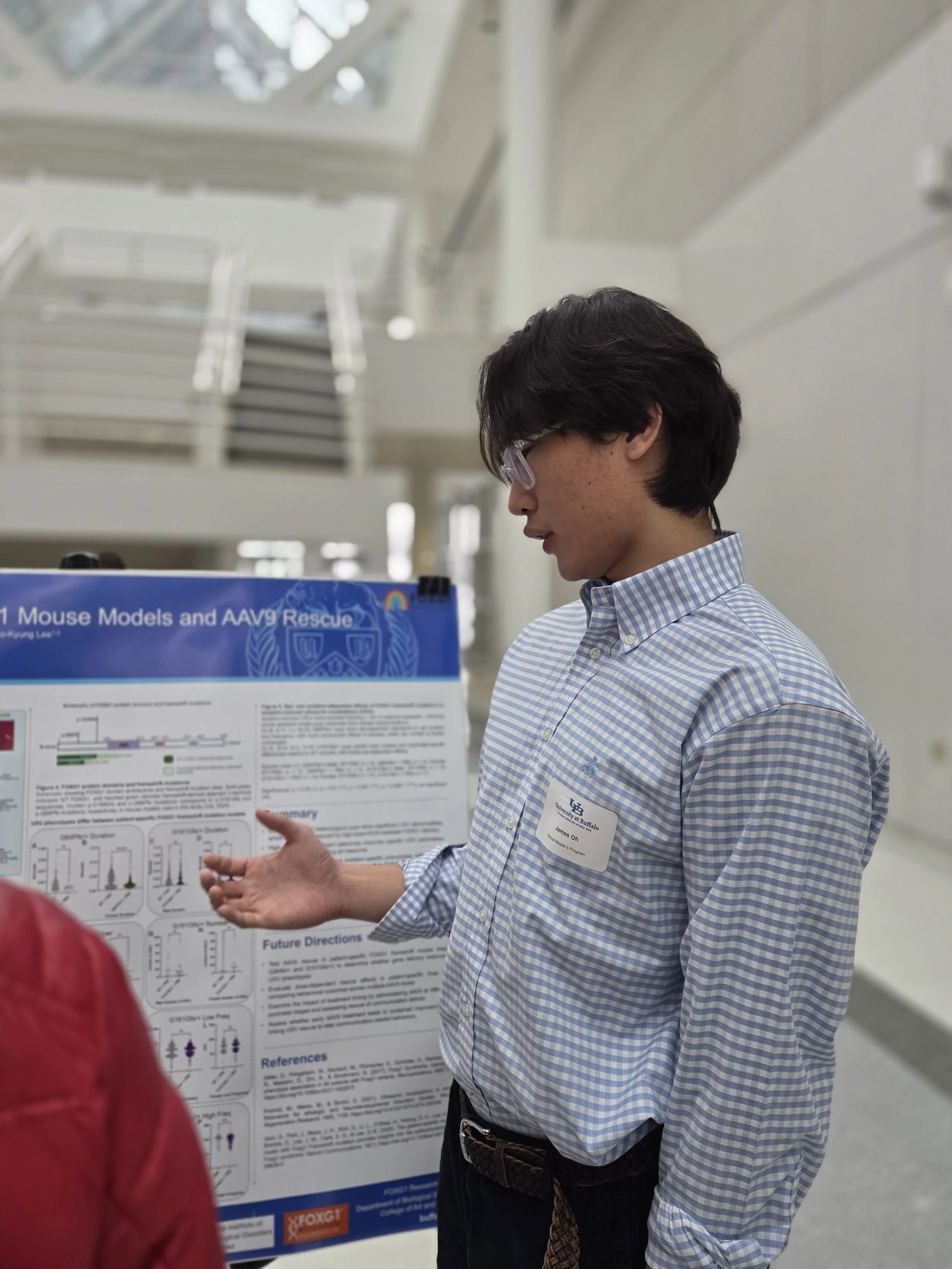
James Oh, sharing his FOXG1 Syndrome research at the Department of Biological Sciences at UB Symposium.
When you talk to James Oh, one thing becomes clear almost immediately: he doesn’t take the opportunity to be in the lab for granted.
His path into research wasn’t linear. It was shaped by curiosity, mentorship, personal experiences, and a growing desire to understand the brain at a deeper level. Today, as a master’s student at the FOXG1 Research Center, James is contributing to research that aims to better understand one of the most essential genes involved in early brain development.
And for him, that work means something more than just science.
How James Became Interested in Neurodevelopment and Brain Research
James was born in Seoul, South Korea and moved to Buffalo at a young age after his father joined the faculty at the University at Buffalo. Since then, Buffalo has been home.
His interest in science developed through his academic path and early exposure to biology, eventually leading him toward neuroscience and research.
Over time, working in the lab has also given him a different kind of perspective.
As he studies the role of FOXG1 in brain development, he has found moments where the science feels personally familiar. His younger sister has developmental disabilities, and while her condition is different, there are overlapping features that have made his work feel more connected to his own life.
“It’s helped me understand certain things in a different way,” he shares. “Not directly, but it gives you another lens.”
From Pre-Med Exploration to FOXG1 Research
James attended Canisius High School before continuing on to Cornell University, where he studied Human Biology, Health, and Society.
Initially, he considered becoming a physician assistant and worked as an ER technician to explore that path.
But that experience clarified something important.
He realized he didn’t just want to practice medicine. He wanted to fully understand it.
“The idea of becoming so specialized that you’re considered an expert in your field, and having the deepest level of knowledge possible, is something that really appealed to me,” he shares.
That shift in perspective ultimately brought him back to research, and back to the FOXG1 Research Center, where he could continue building that deeper scientific foundation.
Returning to the FOXG1 Research Center as a Graduate Student
James was first introduced to the lab as a summer intern.
At the time, the team was smaller, and he focused on learning foundational lab techniques and working with animal models. The mentorship he received during that time had a lasting impact.
After graduating from Cornell, he returned to Buffalo and joined the master’s program in the Department of Biological Sciences at UB, continuing his work in the lab.
He credits Dr. Jae Lee for helping make that transition possible and for creating an environment where students can grow.
What James Studies: FOXG1 and the Striatum
James’ current research focuses on how FOXG1 mutations affect a specific region of the brain called the striatum. The striatum plays a role in movement and behavior, areas that are often impacted in individuals with FOXG1 syndrome.
To study this, James works with specialized mouse models that allow researchers to visualize specific neuron types using fluorescence.
In simple terms, certain cells “light up,” allowing researchers to:
Identify specific neuron populations
Count how many cells are present
Study how those cells are structured and connected
His work focuses on comparing these characteristics between typical models and those with FOXG1-related changes.
This type of research helps answer an important question:
How do changes in the FOXG1 gene affect the structure and function of the brain?
Translating FOXG1 Research Into Meaningful Insights
One of the biggest challenges in research is not just collecting data, but understanding and communicating what it means. For James, this became especially clear during a recent milestone.
In March 2026, he presented his research at a graduate seminar, sharing his findings with peers, faculty, and mentors.
The project represented months of work, including:
Designing experiments
Learning advanced imaging techniques
Analyzing complex data
Building a presentation that others could understand
It was also the first time he truly felt ownership over a project.
And through that process, something shifted. Concepts that once felt overwhelming began to connect. Lab discussions became clearer. The bigger picture started to come into focus.
The Role of Mentorship in FOXG1 Research
James works closely with his mentor, Valli Duvvuru, whose guidance has been essential in both the technical and communication aspects of his work.
From reviewing abstracts to refining presentations, mentorship plays a central role in how students develop within the lab.
He also emphasizes the collaborative nature of the FOXG1 Research Center.
With team members ranging from students to experienced researchers, the lab brings together different perspectives to approach the same problem. That shared focus is what allows the research to move forward.
Why Studying FOXG1 Matters
FOXG1 syndrome is rare, with a limited number of diagnosed cases worldwide.
Because of this, research efforts are highly specialized, and every study contributes valuable knowledge.
James sees this as both a challenge and an opportunity.
The work being done at the FOXG1 Research Center is helping build foundational understanding, from how the gene functions to how specific brain regions are affected.
That knowledge is essential for developing future therapies. With the clinical trial now beginning, the connection between research and real-world impact feels closer than ever.
What Comes Next in FOXG1 Research
For James, one of the most exciting aspects of the field right now is seeing research move toward clinical application.
But he also recognizes that this is just one step. “There’s still so much to learn,” he explains. “After clinical trials, we’ll continue improving and refining what we know.”
His goal is to continue contributing to that process while preparing for the next stage of his career in medicine.
Life Outside the Lab
Outside of research, James enjoys rock climbing, particularly bouldering.
It’s something he discovered during college and continues to return to as a way to reset and recharge.
Climbing challenges him in a completely different way, requiring focus, problem-solving, and persistence.
A Student Contributing to the Future of FOXG1 Research
James’ journey reflects what makes research possible. Curiosity. Mentorship. Persistence. And a willingness to keep learning.
From his early days as an intern to now leading his own project, he is part of a larger effort to better understand FOXG1 and its impact on the brain.
And while there is still much to uncover, each step forward brings the field closer to meaningful progress for families!

James rock climbing in Bishop, California.

FOXG1 Research Center is dedicated to understanding and finding treatments for FOXG1 syndrome and other neurodevelopmental disorders.
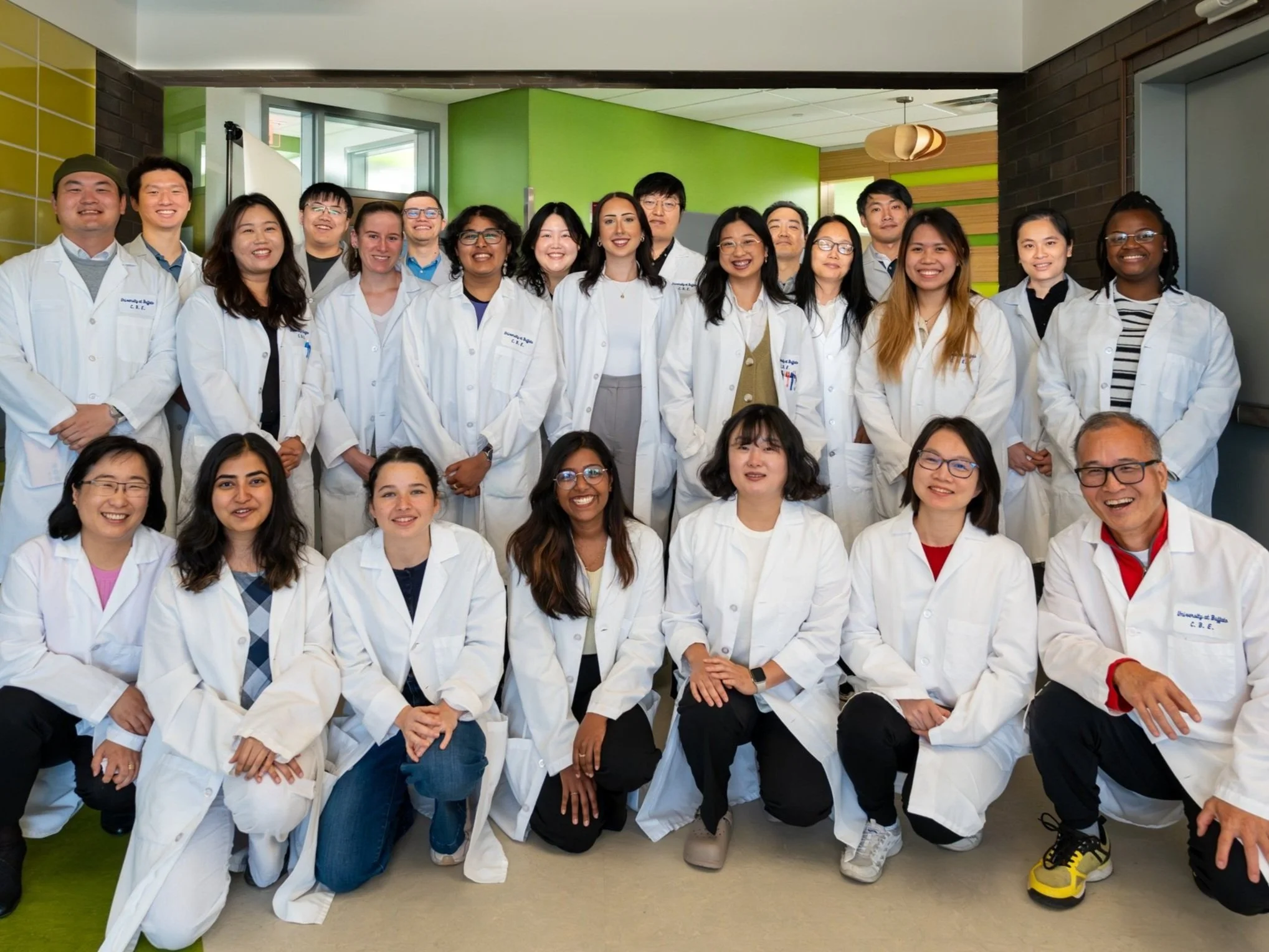
Our Team
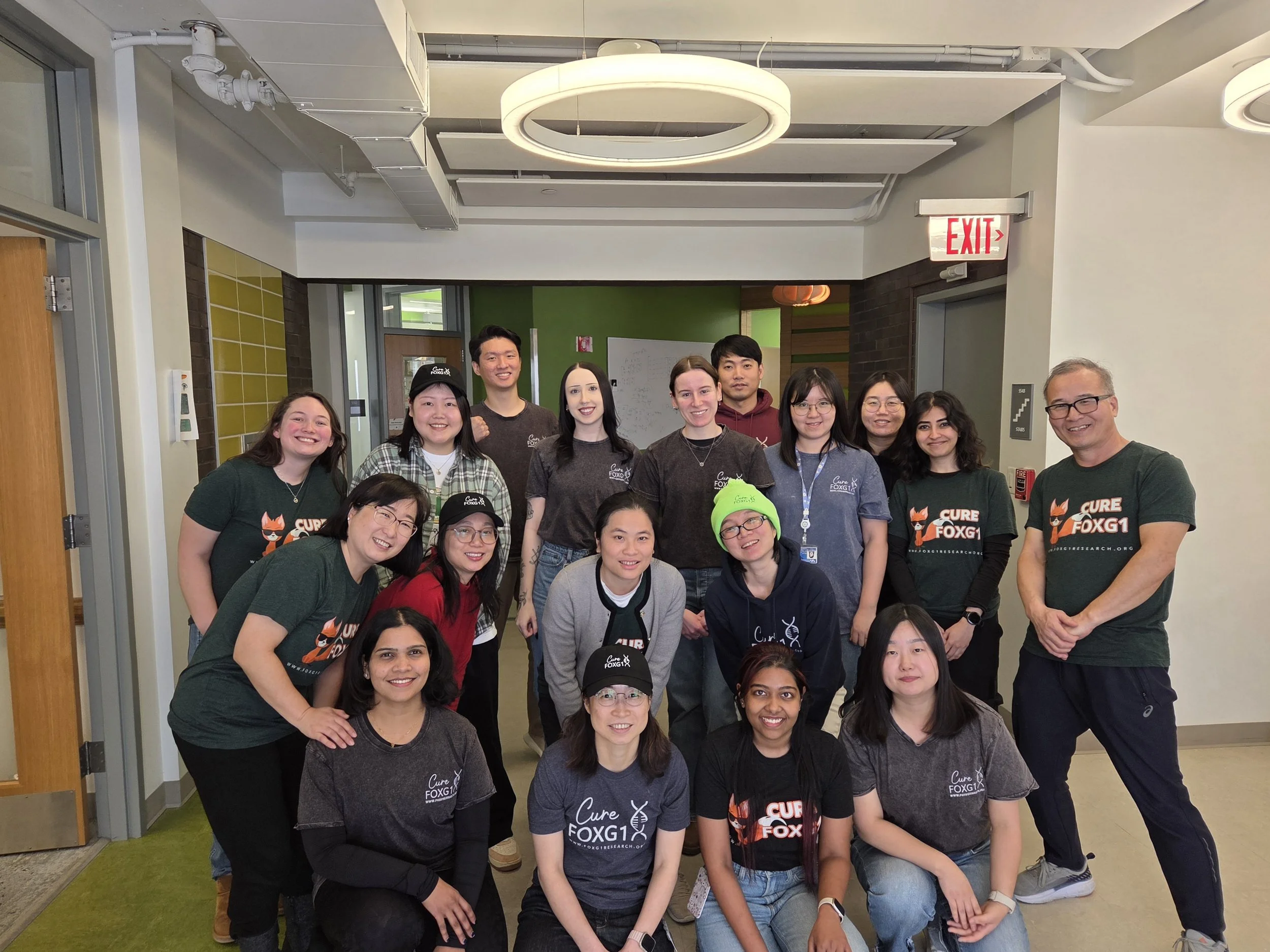
Drs. Soo-Kyung Lee, PhD. and Jae W. Lee, PhD. are the principal investigators of FOXG1 Research Center. Our team is full of dedicated individuals with the common goal of studying FOXG1 Syndrome to find treatment options and further understand the condition.

Our Publications
To learn more details about our research, please refer to our publications.
Media Coverage & Awards
The FOXG1 Research Center is honored to be recognized for its contributions to rare disease research, neuroscience, and the broader scientific community.