Meet the Researcher: Dr. Bora Lee
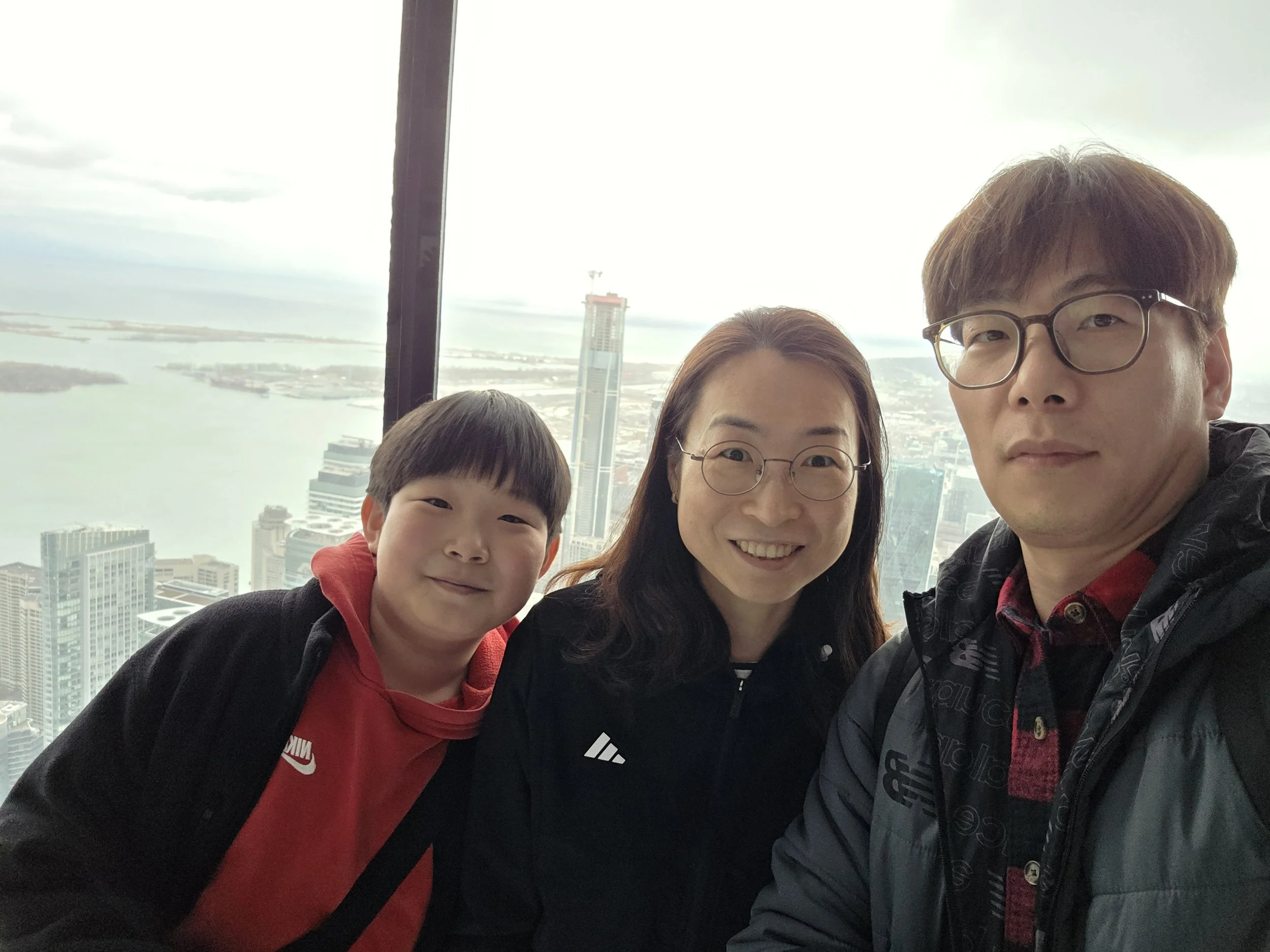
Dr. Bora Lee and her family at the CN Tower in Toronto, Spring 2026
Behind every research project at the FOXG1 Research Center is a scientist driven by curiosity, perseverance, and the hope that each new discovery will bring us closer to improving the lives of individuals with FOXG1 syndrome. For Dr. Bora Lee, that journey began long before she ever stepped into a research laboratory.
Growing up on the small island of Shinangun in South Korea, science was woven into everyday life. Her father was a high school biology teacher who often brought home microscopes, slides, and other classroom materials, encouraging his daughter's curiosity about the natural world from an early age.
What began as childhood fascination gradually developed into a lifelong passion for discovery.
A Family of Scientists
As Dr. Lee's interest in science grew, another important influence emerged at home: her older sister, Dr. Soo-Kyung Lee.
Watching Soo pursue a career in neuroscience gave Bora an early look at what was possible in research. Over the years, her sister became both an inspiration and a mentor, helping shape the direction of her scientific career.
After earning her medical degree from Chonnam National University Medical School, Dr. Lee completed a one-year hospital internship. While she enjoyed medicine, she found herself increasingly drawn to the questions that medicine alone couldn't answer.
"The brain is what makes humans human," she says.
That fascination with neuroscience led her away from clinical practice and toward research.
She moved to the United States to pursue her PhD at Oregon Health & Science University under the mentorship of Dr. Jae W. Lee. She later completed her postdoctoral training with Dr. Jae W. Lee and Dr. Soo-Kyung Lee before returning to South Korea, where she joined the faculty at Chonnam National University Medical School.
Years later, when her university offered faculty members the opportunity to gain research experience abroad, returning to work alongside her former mentors felt like a natural choice.
"My school allows me to have an abroad research experience, and I naturally chose Soo and Jae's lab," she explains.
Today, the two sisters once again work side by side, combining their expertise at the FOXG1 Research Center while pursuing a shared goal of advancing our understanding of FOXG1 syndrome.
When Research Becomes Personal
For many scientists, rare disease research is fueled by a desire to solve difficult biological questions. For Dr. Lee, that motivation is also deeply personal.
Her niece, Yuna, has FOXG1 syndrome.
Knowing someone she loves is directly affected by the condition brings an added sense of purpose to her work, while also reminding her why every discovery matters.
At the same time, she understands that scientific progress is rarely immediate.
"I don't know if any of my research can directly contribute to the lives of FOXG1 families," she says. "But I hope it can be a small step toward the right direction."
That perspective shapes how she approaches her work each day.
Asking New Questions
As a visiting scientist at the FOXG1 Research Center, Dr. Lee designs and conducts experiments across several research projects. Her work includes studying the role of FOXG1 in the hypothalamus and astrocytes, while also contributing to efforts to develop improved gene therapy strategies.
One of the projects she is most excited about, however, focuses on a question that has remained largely unexplored.
Researchers know that the FOXG1 protein is expressed in the pituitary gland, yet very little is understood about what role it plays there.
The pituitary gland is often referred to as the body's "master gland" because it produces hormones that regulate many important functions, including growth, metabolism, and thyroid activity. Since hormonal signals influence development throughout the body, Dr. Lee is investigating whether changes in pituitary function could contribute to some of the symptoms experienced by individuals with FOXG1 syndrome.
"So far, no one has really studied the pituitary gland in relation to FOXG1," she explains.
Her research aims to better understand whether hormone regulation may be altered in some patients. If so, it could eventually point researchers toward treatment approaches that are already well established in medicine, such as hormone replacement or hormone regulation therapies.
While much more research is needed before any conclusions can be drawn, she believes exploring new biological pathways is an essential part of making progress.
Sometimes, advancing science begins by asking questions that haven't been asked before.
Building Knowledge, One Discovery at a Time
Research often requires patience. Experiments don't always go as planned, and meaningful discoveries are usually built through years of careful work rather than a single breakthrough.
That reality has shaped Dr. Lee's approach to science. "Whenever I encounter a problem, there is always a solution if I search deep enough."
She also hopes families understand that every research project contributes to a larger picture, even if its impact isn't immediately visible.
"Not all research might directly affect the personal lives of patients. I hope people understand that every small step counts in the end."
Meeting FOXG1 families during Rare Disease Day reinforced that belief.
"When the parents of a child with FOXG1 syndrome became interested in my research project, I realized that even a very small achievement in my research can give them hope for better lives."
Those conversations served as a powerful reminder that behind every experiment are families following the progress of science with hope.
Looking Toward the Future
The field of FOXG1 research has changed dramatically in recent years, and Dr. Lee is optimistic about where it is heading.
She hopes the ongoing clinical trial will provide valuable insights that help shape future therapies. She is also excited by work to develop improved gene therapy vectors, explore antisense oligonucleotide (ASO) therapies, and identify biomarkers that may help researchers better understand how patients respond to treatment.
Rather than relying on a single discovery, she believes progress will come through many different approaches working together.
"I'd like to see a major achievement in the cure for FOXG1 syndrome," she says. "But I hope my research can contribute to even very small steps toward improving the kids' condition."
Beyond the Lab
Outside of research, Dr. Lee enjoys spending time with her husband and son, something she says has been especially meaningful during her time in Buffalo. She also enjoys reading web novels, working out with her family once a week, and recently started taking swimming lessons.
Life in Buffalo has been an adjustment after growing up in South Korea.
"It was a bit hard to adjust to a lot of snow and a long winter," she says. "But spring and summer are great."
As she continues her work at the FOXG1 Research Center, Dr. Lee remains motivated by the same curiosity that first began years ago with the microscopes her father brought home from school.
Today, that curiosity is helping expand our understanding of FOXG1 biology, opening new avenues of research, and contributing to a growing body of knowledge that researchers around the world are building together in the pursuit of better treatments for FOXG1 syndrome.
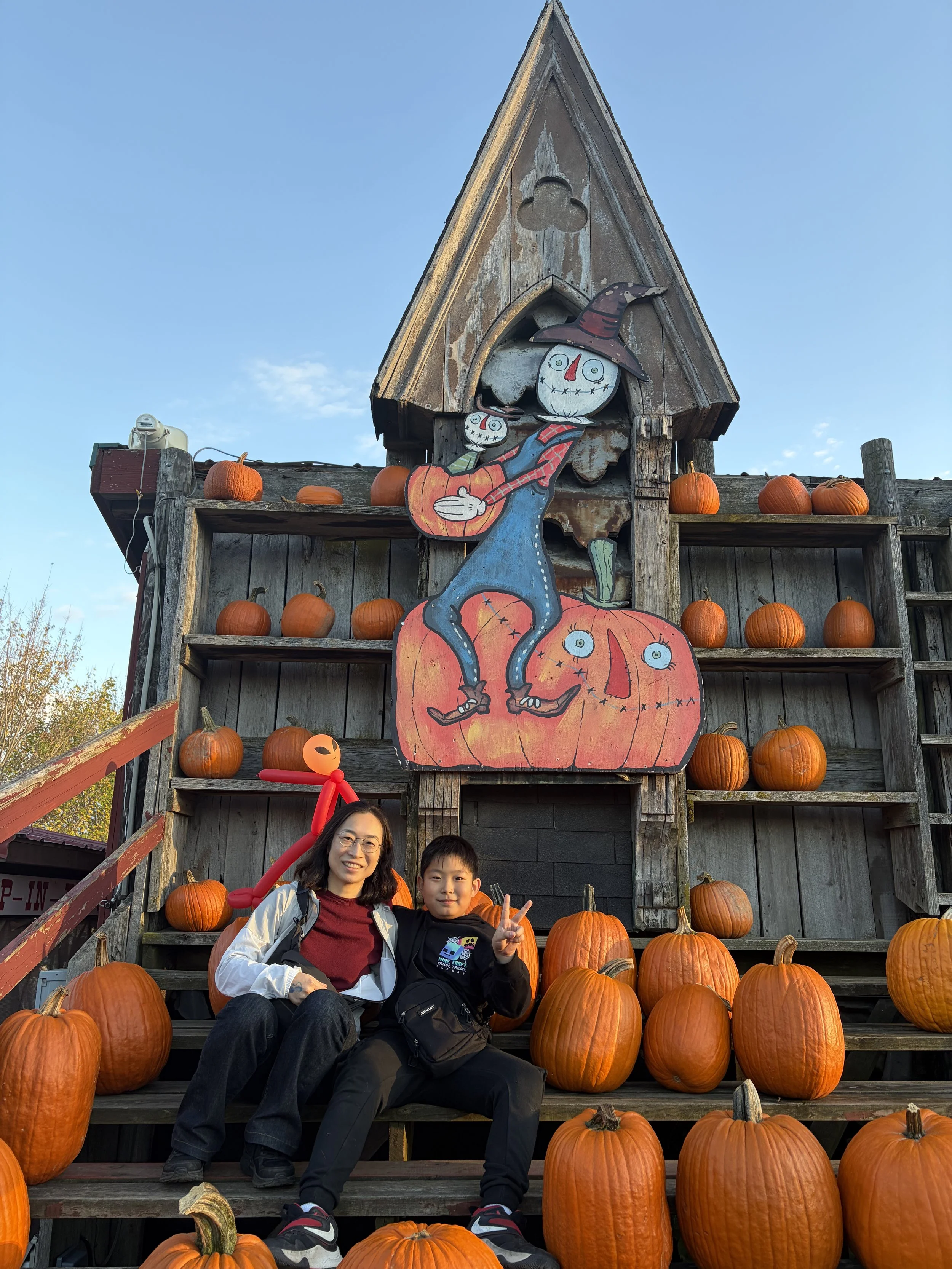
Dr. Lee and her son at the Great Pumpkin Farm in Clarence, NY in the fall of 2025

FOXG1 Research Center is dedicated to understanding and finding treatments for FOXG1 syndrome and other neurodevelopmental disorders.
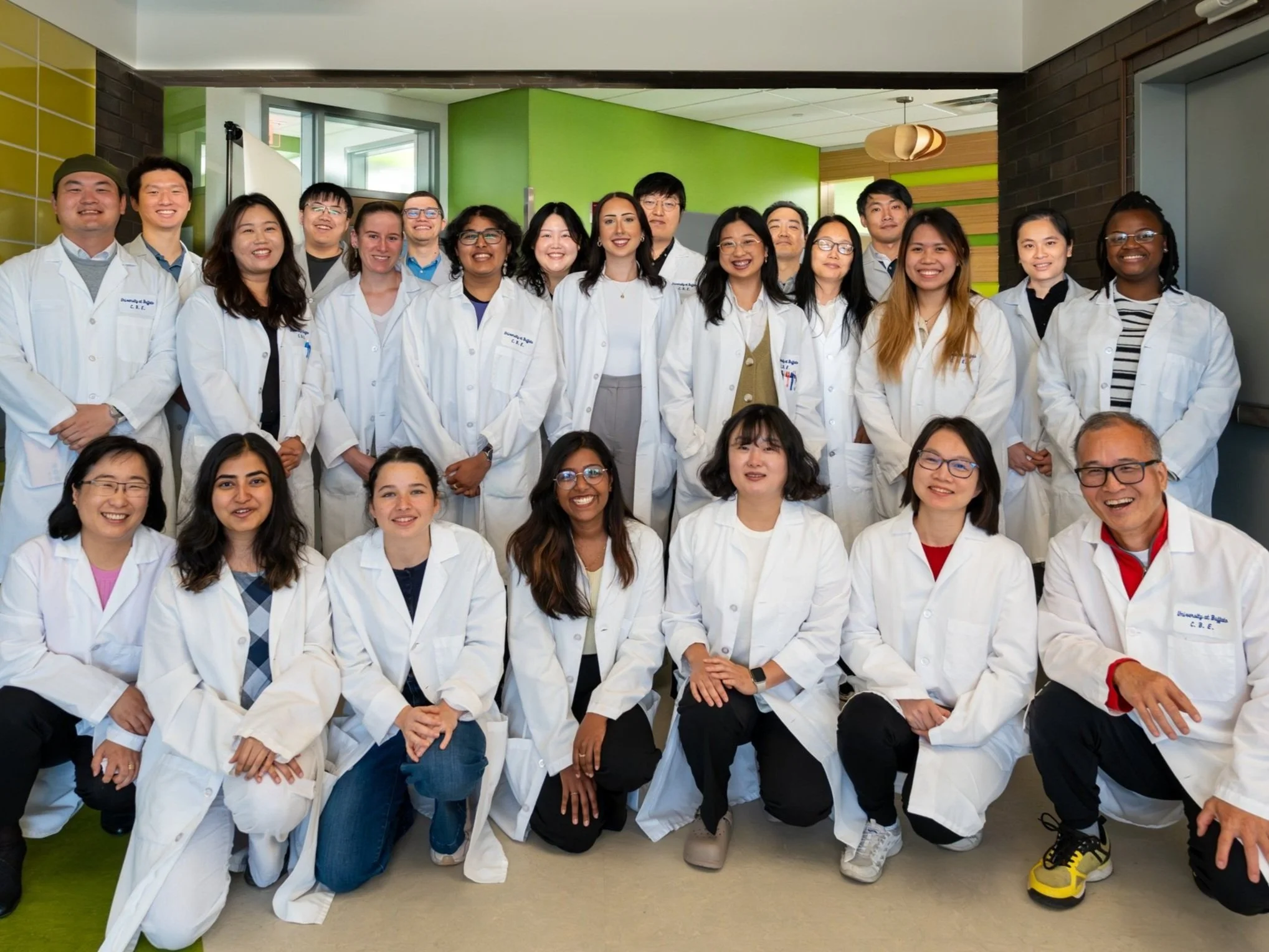
Our Team
Drs. Soo-Kyung Lee, PhD. and Jae W. Lee, PhD. are the principal investigators of FOXG1 Research Center. Our team is full of dedicated individuals with the common goal of studying FOXG1 Syndrome to find treatment options and further understand the condition.

Our Publications
To learn more details about our research, please refer to our publications.
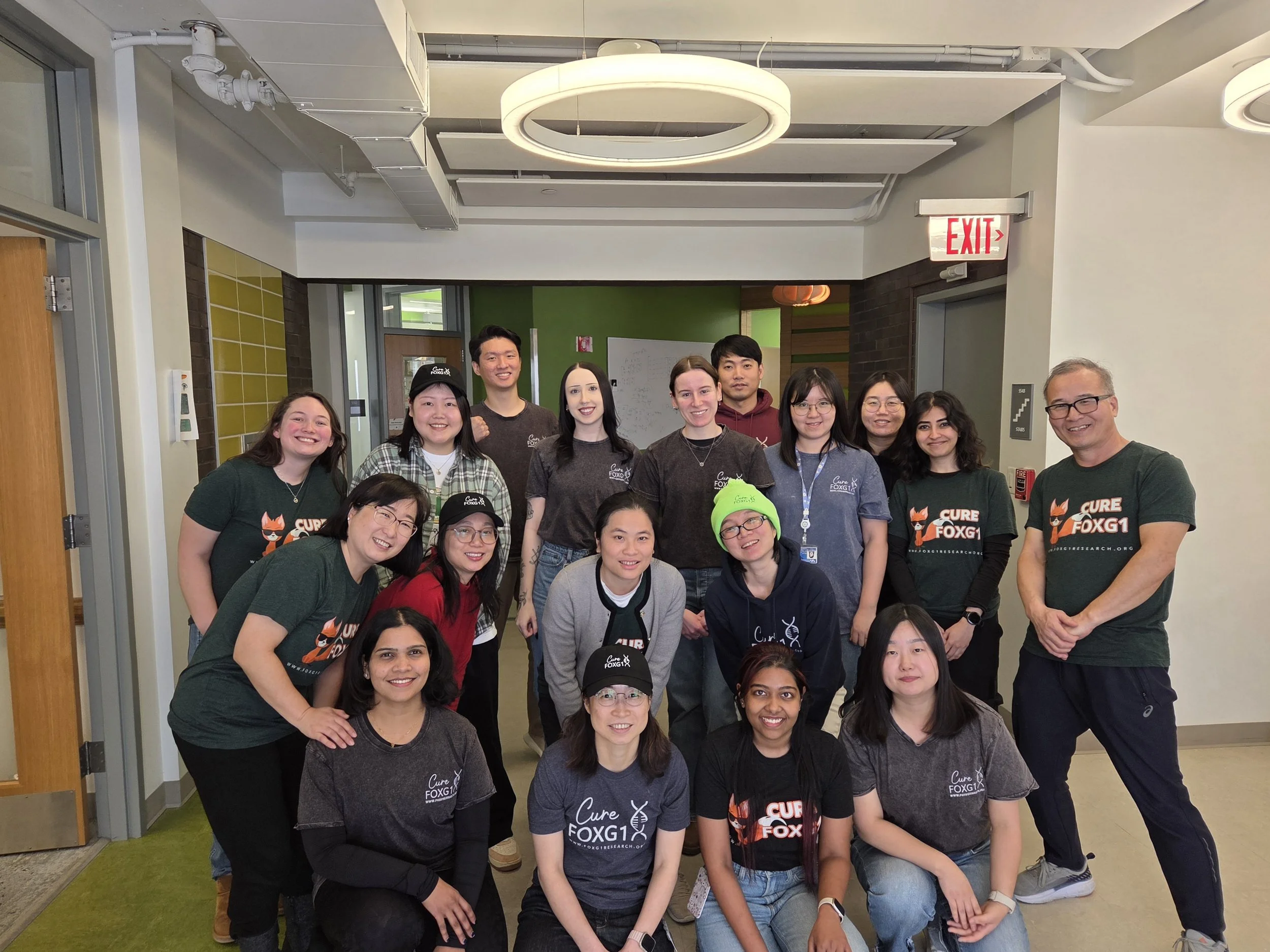
Media Coverage & Awards
The FOXG1 Research Center is honored to be recognized for its contributions to rare disease research, neuroscience, and the broader scientific community.