Why FOXG1 Research Matters Beyond FOXG1 Syndrome
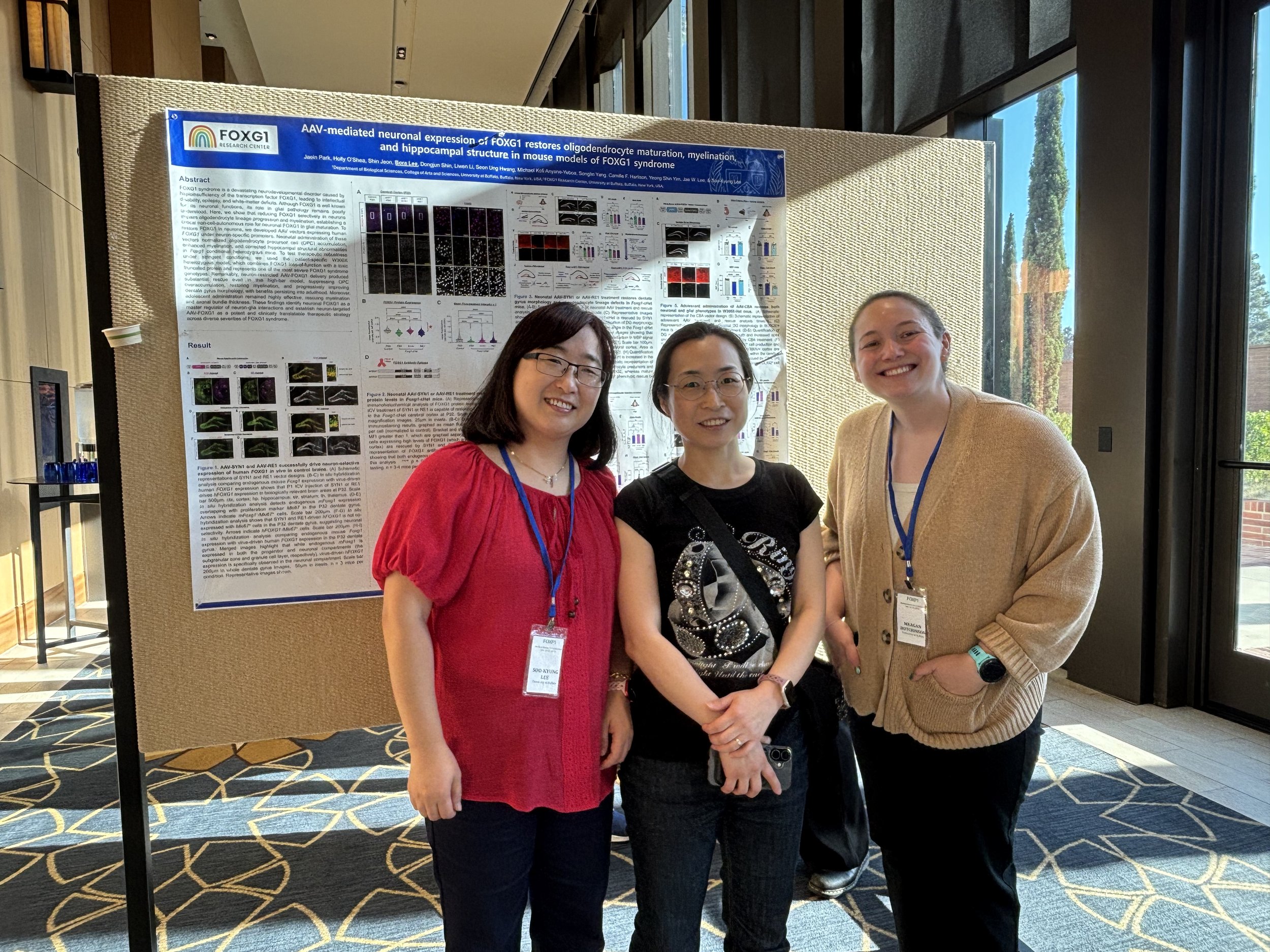
Dr. Soo-Kyung Lee, Dr. Bora Lee and Meagan Hutchinson (PhD student) at the FOXP1 Medical Research Conference in July 2026.
At the FOXG1 Research Center, our work begins with a very specific goal: to better understand FOXG1 syndrome and help move research toward meaningful treatments for individuals and families.
But the impact of studying FOXG1 may extend beyond a single rare disorder.
FOXG1 plays an important role in how the brain develops and functions. By studying what happens when this gene does not work as expected, researchers can learn more about FOXG1 syndrome while also gaining a better understanding of the developing brain.
And sometimes, what researchers learn while studying one rare disorder can help scientists studying another.
That is one reason collaboration across rare disease communities is so important.
Different Disorders, Shared Questions
FOXG1 syndrome, FOXP1 syndrome, and STXBP1-related disorders are distinct conditions caused by changes in different genes. Each has its own biology, symptoms, and research priorities.
But they also have some important things in common.
All three are monogenic disorders, which means they are caused by a change in a single gene. And all three genes play important roles in how the brain develops and functions.
The genes themselves do different jobs. FOXG1 and FOXP1 help regulate the activity of other genes during development, while STXBP1 helps neurons communicate with one another.
Even though these genes work differently, changes in them can lead to some of the same challenges. Patients across these communities may experience delayed or absent speech, seizures, low muscle tone, movement differences, sleep disturbances, feeding difficulties, and differences in social connection.
That gives researchers an important opportunity to learn from one another.
You can think of each research community as holding a different piece of the same puzzle.
A method or model developed to study one gene could help researchers investigate another. A question raised while studying FOXP1 or STXBP1 could give FOXG1 researchers a new way to think about something they are seeing in the lab. And something learned through FOXG1 research could do the same for another research community.
By looking at what is similar and what is different, researchers can learn more about each individual disorder and about brain development as a whole.
Why Collaboration Matters in Rare Disease Research
Collaboration is important in all areas of science, but it can be especially valuable in rare disease research.
When a condition is rare, there are fewer people living with it. There may also be fewer researchers studying it, fewer studies to learn from, and less information available compared with more common conditions.
That can make answering big scientific questions more challenging. But researchers do not have to answer every question alone.
Scientists studying different rare neurodevelopmental disorders may be focused on different genes, but they often face similar questions. How does a genetic change affect the brain? How can we model those changes in the lab? What should researchers measure? And how could we eventually develop and test a treatment?
When researchers share what they are learning, one team's work can sometimes help another team move forward. This does not mean that a discovery or treatment for one disorder will automatically apply to another. Each condition still needs to be studied carefully on its own.
Instead, researchers can learn from the tools, methods, questions, successes, and even challenges of other research communities. In rare disease research, sharing knowledge can make a small research community feel much bigger.
Learning From Different Approaches to Treatment
There is another important way these research communities can learn from one another: how scientists approach possible treatments.
At the FOXG1 Research Center, researchers are developing multiple types of therapeutics for monogenic brain developmental disorders, building on what they have learned through the FOXG1 program.
This includes approaches such as gene therapy and antisense oligonucleotides, often called ASOs. These approaches are not one-size-fits-all treatments. A therapy developed for FOXG1 syndrome cannot simply be used to treat FOXP1 syndrome or an STXBP1-related disorder.
But the lessons learned while developing these approaches may still be valuable!
Researchers can learn from how a potential therapy is designed, how it is delivered, how its effects are studied, what challenges arise along the way, and which questions need to be answered before research can move forward. And that learning can go both ways.
Progress in another rare disease community may give FOXG1 researchers a new tool, idea, or question to explore, just as knowledge gained through the FOXG1 program may help researchers working on other monogenic neurodevelopmental disorders.
Bringing FOXG1 Research Into Other Rare Disease Communities
This summer, members of the FOXG1 Research Center had the opportunity to bring FOXG1 research into two other rare disease communities.
At the FOXP1 Medical Research Conference at UCLA, Dr. Soo-Kyung Lee presented research from the Center, while Bora Lee, PhD and Meagan Hutchinson, MD-PhD student, shared their work during the poster session.
Soon after, Holly O'Shea, PhD, attended the STXBP1 Summit+ in Philadelphia, where she was invited to speak about FRC's research and its potential relevance to the STXBP1 community.
But some of the most meaningful moments happened outside of the presentations.
FRC researchers had the opportunity to meet scientists and clinicians working on FOXP1 and STXBP1-related disorders. They also met parents and members of the patient communities themselves.
Despite coming together around different disorders, everyone shared the same motivation: helping patients and families.
For the FRC team, these connections were incredibly meaningful. Researchers returned to Buffalo feeling empowered by the experience and honored to be part of a larger community of researchers, clinicians, patients, and families working toward a common goal.
What This Means for FOXG1 Families
For families, it can be helpful to think of FOXG1 research as part of a much larger scientific conversation.
Our researchers remain deeply focused on understanding FOXG1 syndrome and working toward better treatments and outcomes for the FOXG1 community.
But they do not have to do that work in isolation.
Every time researchers share a finding, learn a new technique, hear a different perspective, or connect with another rare disease community, there is an opportunity to ask a better question.
And sometimes those questions can lead research in directions no one expected.
The same is true in reverse. Advances happening elsewhere in neuroscience and rare disease research can help shape the questions FOXG1 researchers ask next.
That exchange of knowledge is one of the reasons collaboration matters so much.
Different Pieces of the Same Puzzle
Every discovery we make about FOXG1 brings us closer to answers for FOXG1 families. But the knowledge gained along the way does not have to stop there.
What researchers learn about FOXG1 could help scientists studying another neurodevelopmental disorder ask a better question, try a new approach, or better understand something they are seeing in their own research. And discoveries made in those communities could one day help move FOXG1 research forward, too.
When researchers, clinicians, patients, and families across rare disease communities learn from one another, progress in one community has the potential to create new possibilities for another.
Different genes. Different disorders. Different pieces of the puzzle. But ultimately, the same goal: a better future for patients and families.

FOXG1 Research Center is dedicated to understanding and finding treatments for FOXG1 syndrome and other neurodevelopmental disorders.
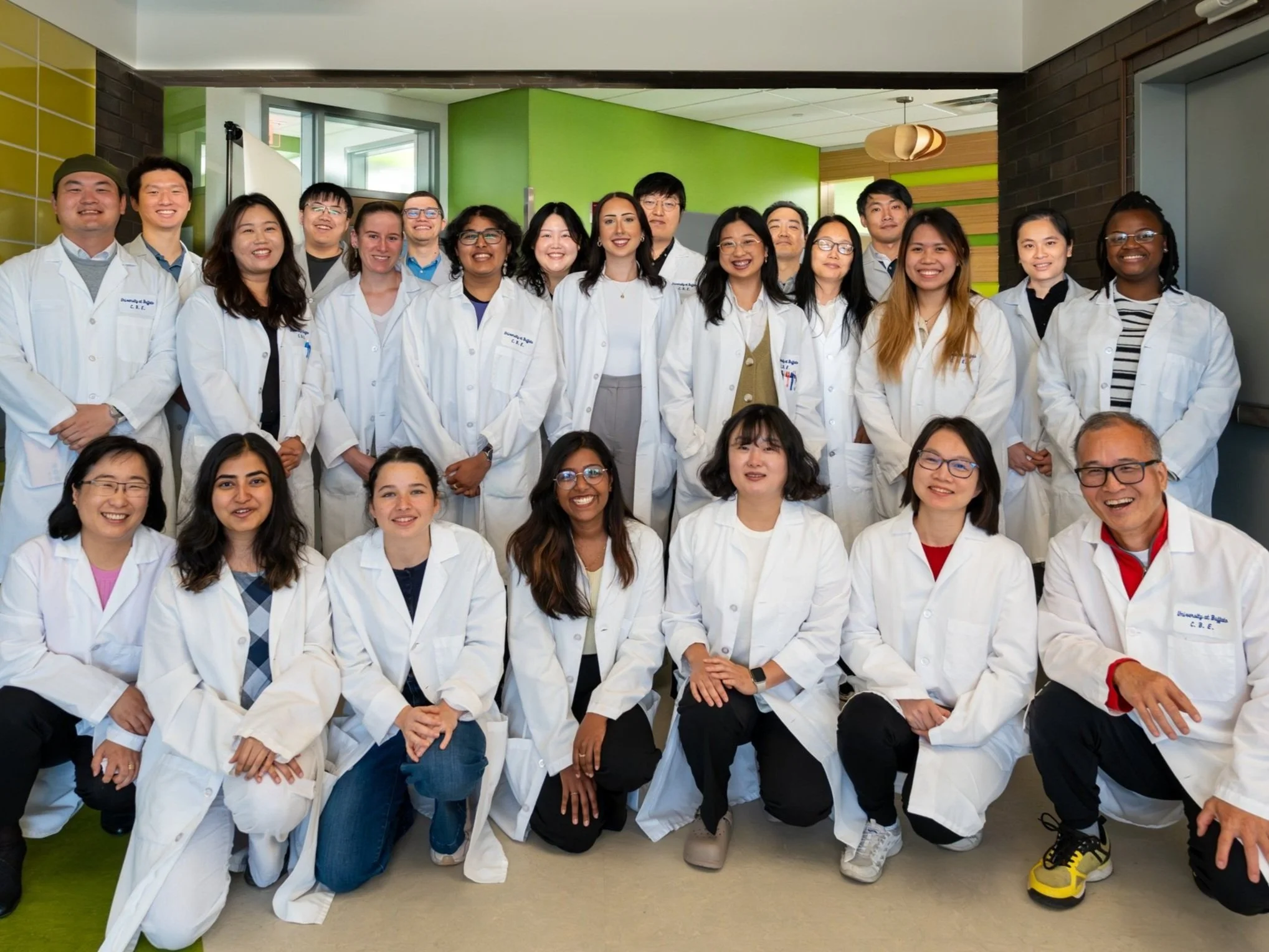
Our Team
Drs. Soo-Kyung Lee, PhD. and Jae W. Lee, PhD. are the principal investigators of FOXG1 Research Center. Our team is full of dedicated individuals with the common goal of studying FOXG1 Syndrome to find treatment options and further understand the condition.

Our Publications
To learn more details about our research, please refer to our publications.
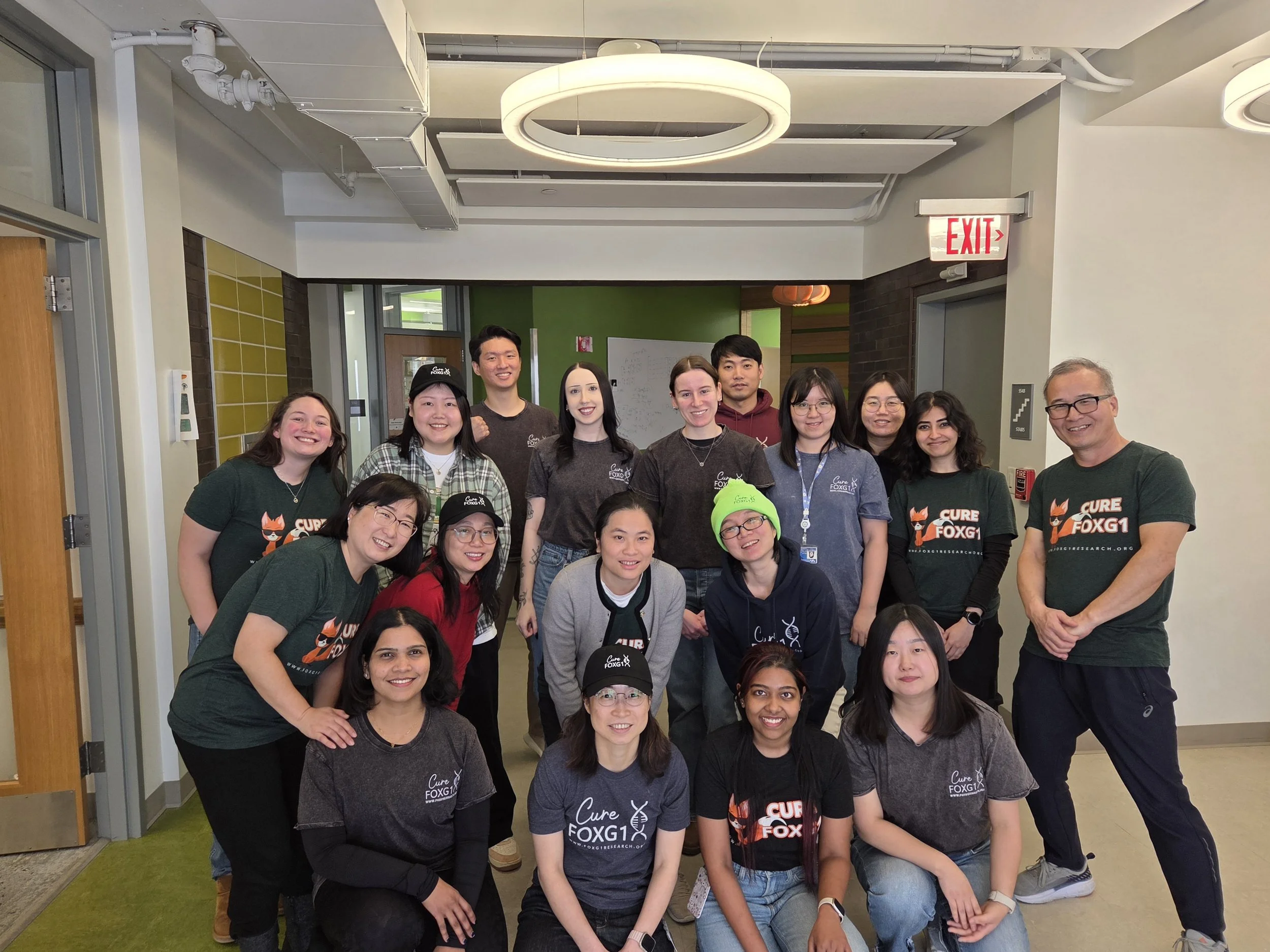
Media Coverage & Awards
The FOXG1 Research Center is honored to be recognized for its contributions to rare disease research, neuroscience, and the broader scientific community.