Why Understanding FOXG1 Over Time Matters for Research

Before researchers can know whether a potential treatment is helping, they first need to understand FOXG1 Syndrome over time. Learn how natural history research, patient registries, and family experiences help shape future clinical trials.
When a new treatment is being studied, one of the biggest questions is simple: how will researchers know whether it is truly helping?
For FOXG1 Syndrome, answering that question begins long before a clinical trial. Researchers first need to understand the condition itself, including how symptoms, abilities, and support needs can look across childhood and into adulthood. This is the purpose of a natural history study.
What is a natural history study?
A natural history study gathers information over time to help researchers better understand how a condition affects people in everyday life.
For families living with FOXG1 Syndrome, that picture may include developmental progress, communication, movement, sleep, seizures, feeding and gastrointestinal concerns, behaviors, medical care, and more. No two individuals with FOXG1 Syndrome are exactly alike, which makes this long-term, community-wide understanding especially important.
Natural history research does not test a new treatment. Instead, it helps establish the foundation researchers need to develop, study, and evaluate future treatments thoughtfully.
Why does this matter for clinical trials?
Imagine trying to measure whether a treatment is making a meaningful difference without first understanding what changes may happen naturally over time.
Researchers need to know which areas of FOXG1 Syndrome are most important to measure, what meaningful progress can look like for individuals and families, and how those experiences may differ from person to person.
This information helps guide the design of clinical trials. It can help researchers identify appropriate outcomes to evaluate, such as changes in communication, movement, sleep, or other aspects of daily life. It also helps ensure that trials are asking questions that matter to the FOXG1 community.
As research moves forward, natural history data can provide an important point of comparison. It helps researchers better interpret what they are seeing during a clinical study and understand whether changes may be related to an investigational treatment.
The FOXG1 Citizen Health Natural History Study
The FOXG1 community has already helped build a meaningful foundation for this work through the FOXG1 Citizen Health Natural History Study.
This study brought together medical-record information and family-reported experiences to create a more detailed picture of FOXG1 Syndrome across the lifespan. The resulting research included information from 101 individuals and more than 770 cumulative patient years of clinical data.
That information is helping researchers better understand the range of experiences within FOXG1 Syndrome, including differences associated with certain genetic variants. It also identified potential clinical measures that may be useful as future therapeutic studies are designed.
Most importantly, it reflects something families already know: the details of daily life matter. Medical records, appointments, milestones, challenges, and lived experiences all hold information that can help move research forward.
Family participation helps make progress possible
Rare disease research depends on partnership. Families are not just waiting for progress to happen. By sharing their experiences and contributing health information, they help researchers ask better questions and focus on the outcomes that matter most.
The path from research discovery to a clinical trial involves many steps. Natural history studies are one of the ways researchers make sure those next steps are built on a clearer understanding of FOXG1 Syndrome and the people at the center of it.
Families can also contribute to the broader understanding of FOXG1 Syndrome through the International FOXG1 Syndrome Research Registry. The registry collects caregiver-reported information about genetic testing, medical history, developmental milestones, and day-to-day experiences to help build a more complete picture of FOXG1 Syndrome.
As clinical research continues to advance, this foundation will remain essential. Every family experience helps deepen our understanding of FOXG1 Syndrome and supports the work toward future treatments.
To learn more about FOXG1 research and ways to stay connected, visit the FOXG1 Research Center.

FOXG1 Research Center is dedicated to understanding and finding treatments for FOXG1 syndrome and other neurodevelopmental disorders.
Our Team
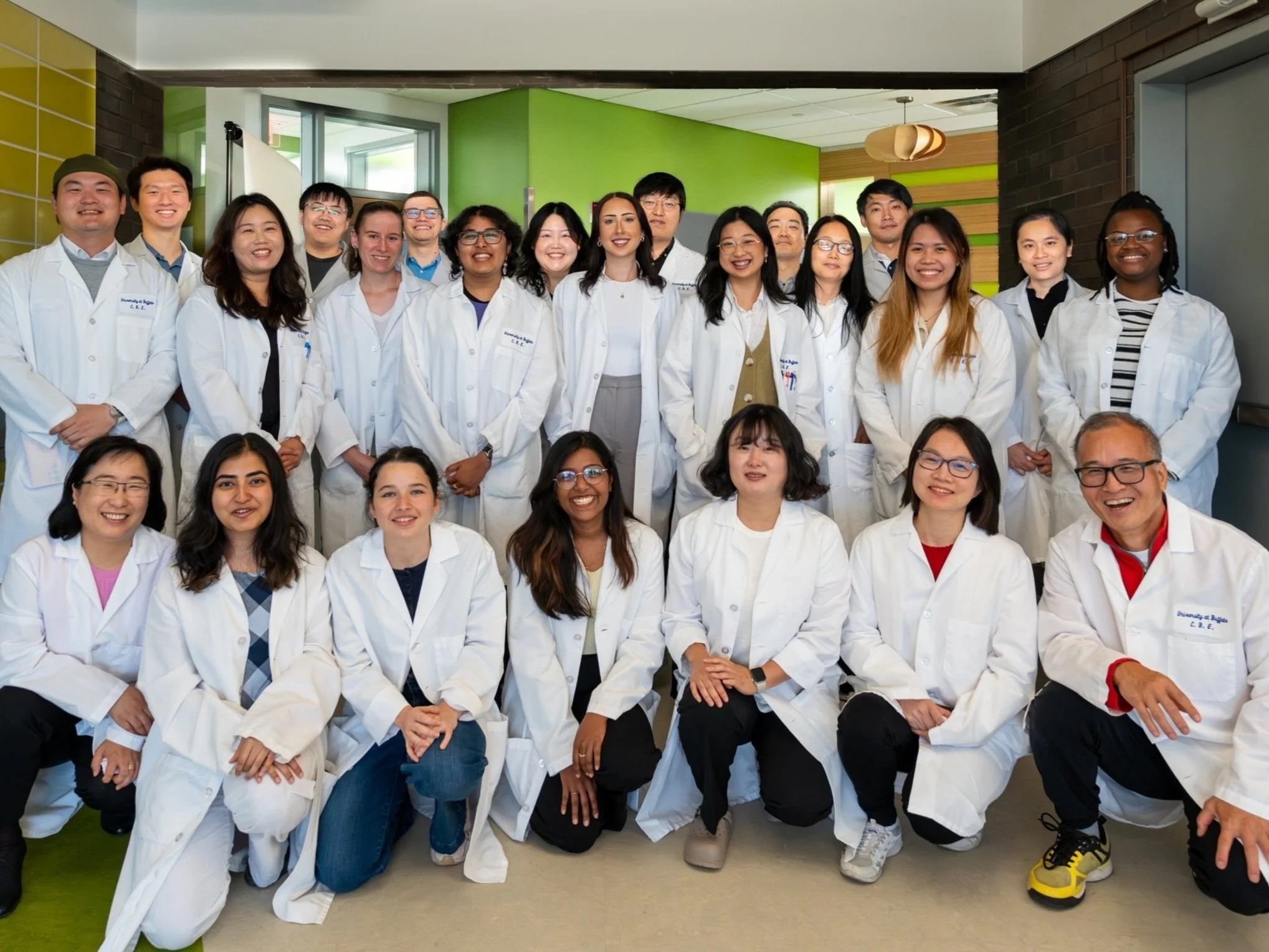
Drs. Soo-Kyung Lee, PhD. and Jae W. Lee, PhD. are the principal investigators of FOXG1 Research Center. Our team is full of dedicated individuals with the common goal of studying FOXG1 Syndrome to find treatment options and further understand the condition.

Our Publications
To learn more details about our research, please refer to our publications.
Media Coverage & Awards
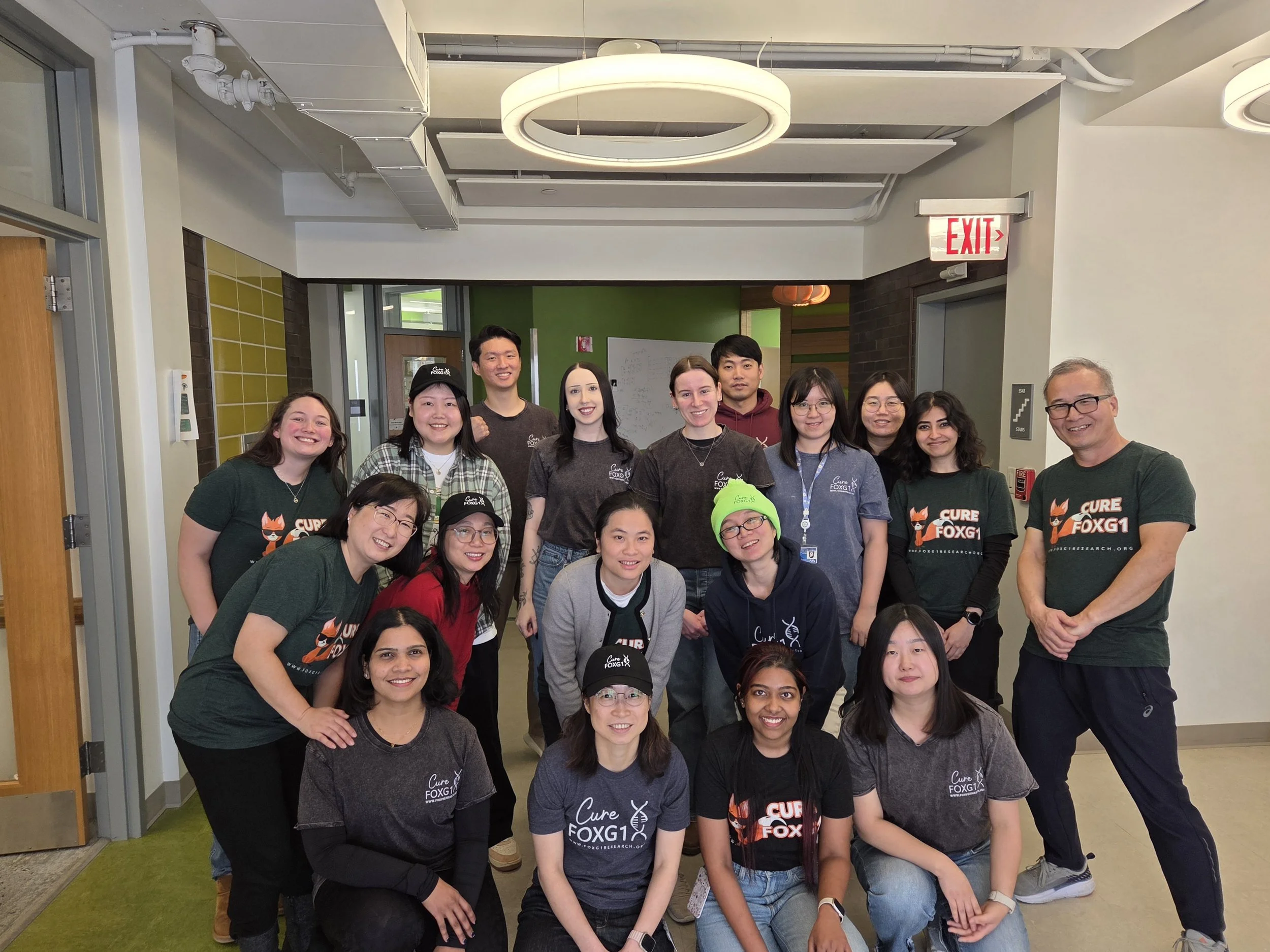
The FOXG1 Research Center is honored to be recognized for its contributions to rare disease research, neuroscience, and the broader scientific community.